Choosing the right centrifugal pump involves considering several factors to ensure that the pump meets your specific needs and operating conditions. Here's a step-by-step guide to help you choose the right centrifugal pump:
Understand Your Requirements:
Determine the type of fluid you'll be pumping (water, chemicals, slurry, etc.).
Define the flow rate (gallons per minute or cubic meters per hour) required for your application.
Calculate the total head or pressure required to overcome any elevation changes and resistance in the piping system.
Fluid Properties:
Know the properties of the fluid, such as viscosity, temperature, specific gravity, corrosiveness, and whether it contains solids or abrasives.
Pump Selection Criteria:
Choose between standard, heavy-duty, or specialized pumps based on your application's requirements.
Consider the pump's efficiency, as it affects energy consumption and operating costs.
Types of Centrifugal Pumps:
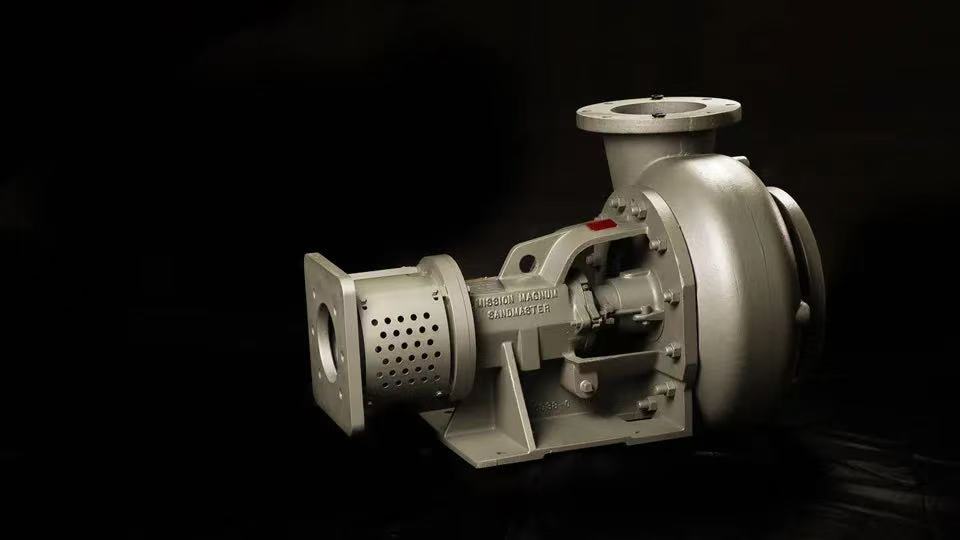
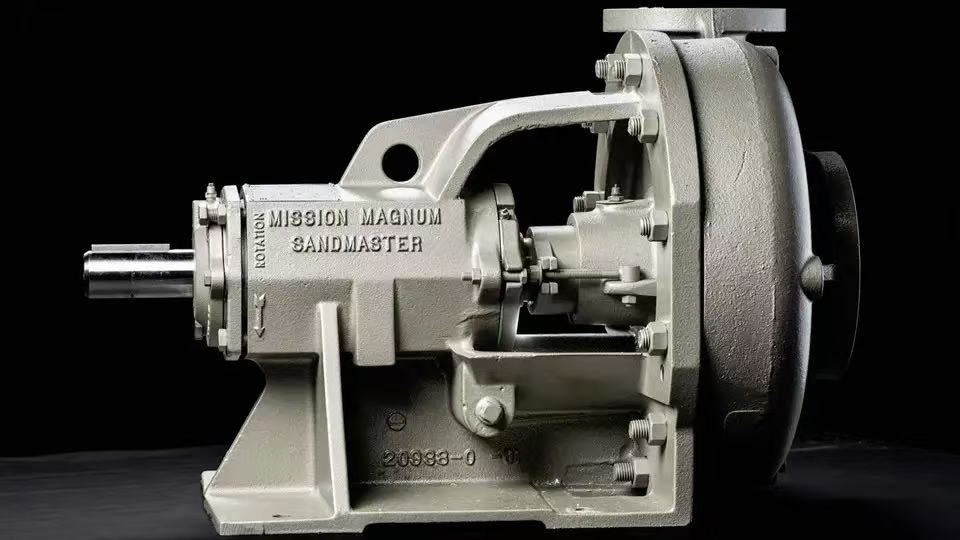
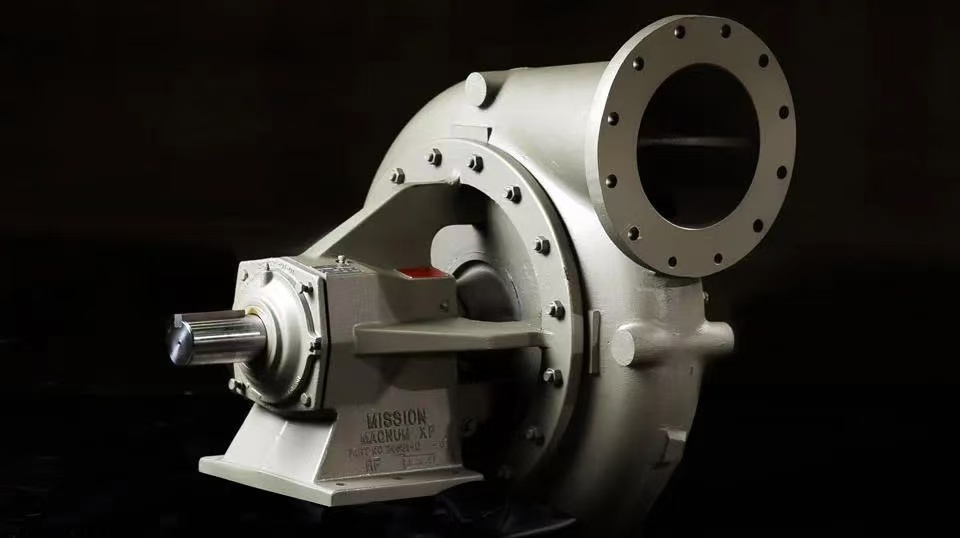
End-Suction Pumps: These are commonly used for general applications and are versatile.
Self-Priming Pumps: Suitable for applications where the pump must self-start, like with air-liquid mixtures.
Multistage Pumps: Used when high pressure is required, often in high-rise buildings or industrial processes.
Submersible Pumps: Immersed in the fluid being pumped, commonly used in sewage and drainage systems.
Material of Construction:
Select materials compatible with the fluid being pumped to avoid corrosion or other chemical reactions.
Pump Curves:
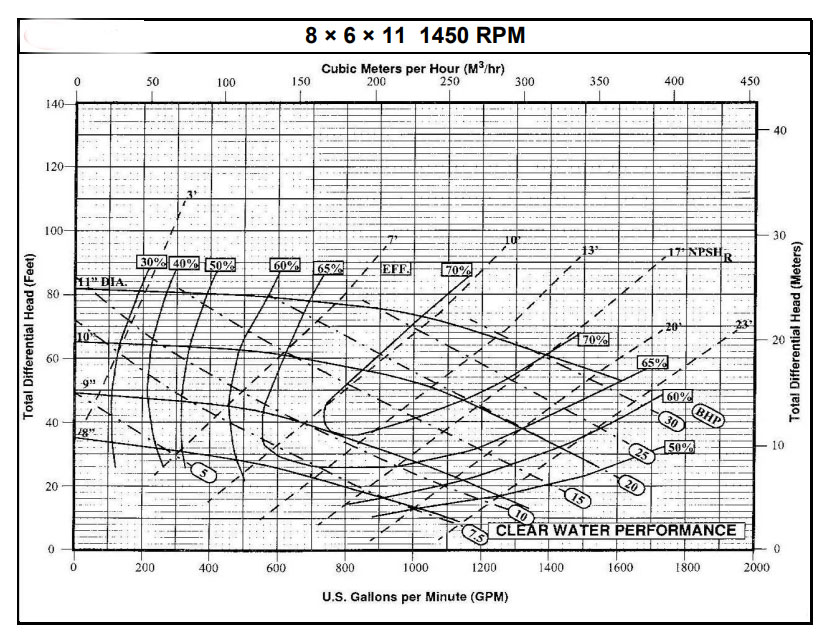
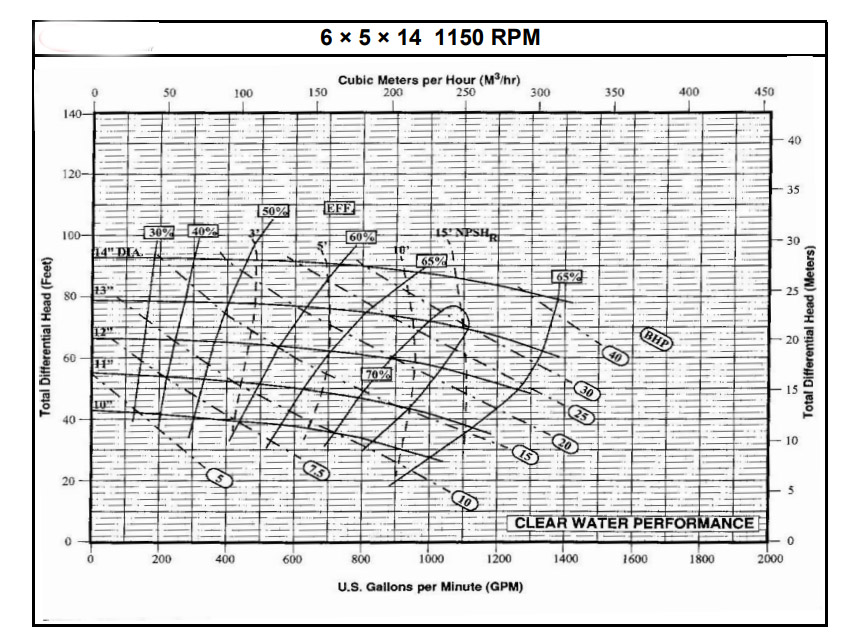
Review pump curves provided by manufacturers to ensure the pump can meet your required flow rate and head.
Operating Conditions:
Consider the operating temperature and ambient conditions, as these factors can impact pump performance.
Installation and Maintenance:
Evaluate the ease of installation, maintenance, and availability of spare parts for the chosen pump.
Manufacturer Reputation:
Choose pumps from reputable manufacturers known for producing quality products and providing good customer support.
Cost Considerations:
Compare the initial cost of the pump with long-term operating costs, including energy consumption, maintenance, and potential downtime.
Consult Experts:
If you're uncertain, seek advice from pump engineers or experts who can help you make an informed decision.
Warranty and Support:
Check the manufacturer's warranty and after-sales support options.
Remember that selecting the right centrifugal pump is crucial to ensuring reliable and efficient operation in your specific application. Consulting with experts and manufacturers c