
Efficient Mixing Solutions with a Manual Control Mud Mixing Hopper
Reviews how a manual control hopper can support additive dispersion, slurry preparation, and practical operator handling in drilling fluid systems.
Read ArticleDrilling Fluid Additive Mixing Equipment
PRM supplies manual control mud mixing hoppers for drilling fluid preparation, additive hydration, and slurry blending work where operators need practical dosing control and simple maintenance access.
For procurement teams comparing a mud mixing hopper manufacturer or planning wholesale mud mixing hopper sourcing, this page focuses on field application, specification review, and quotation details that help buyers align equipment with mud system requirements.
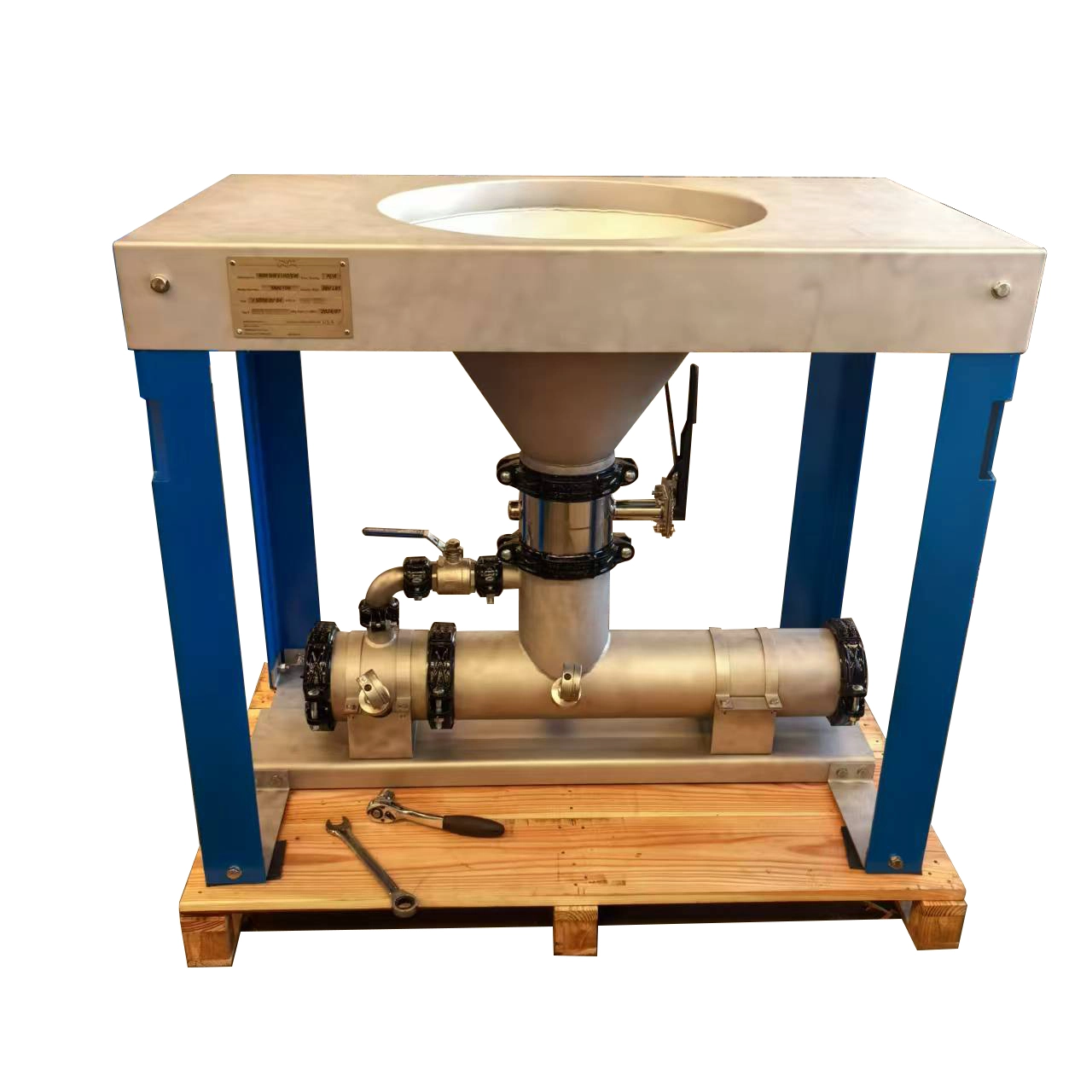
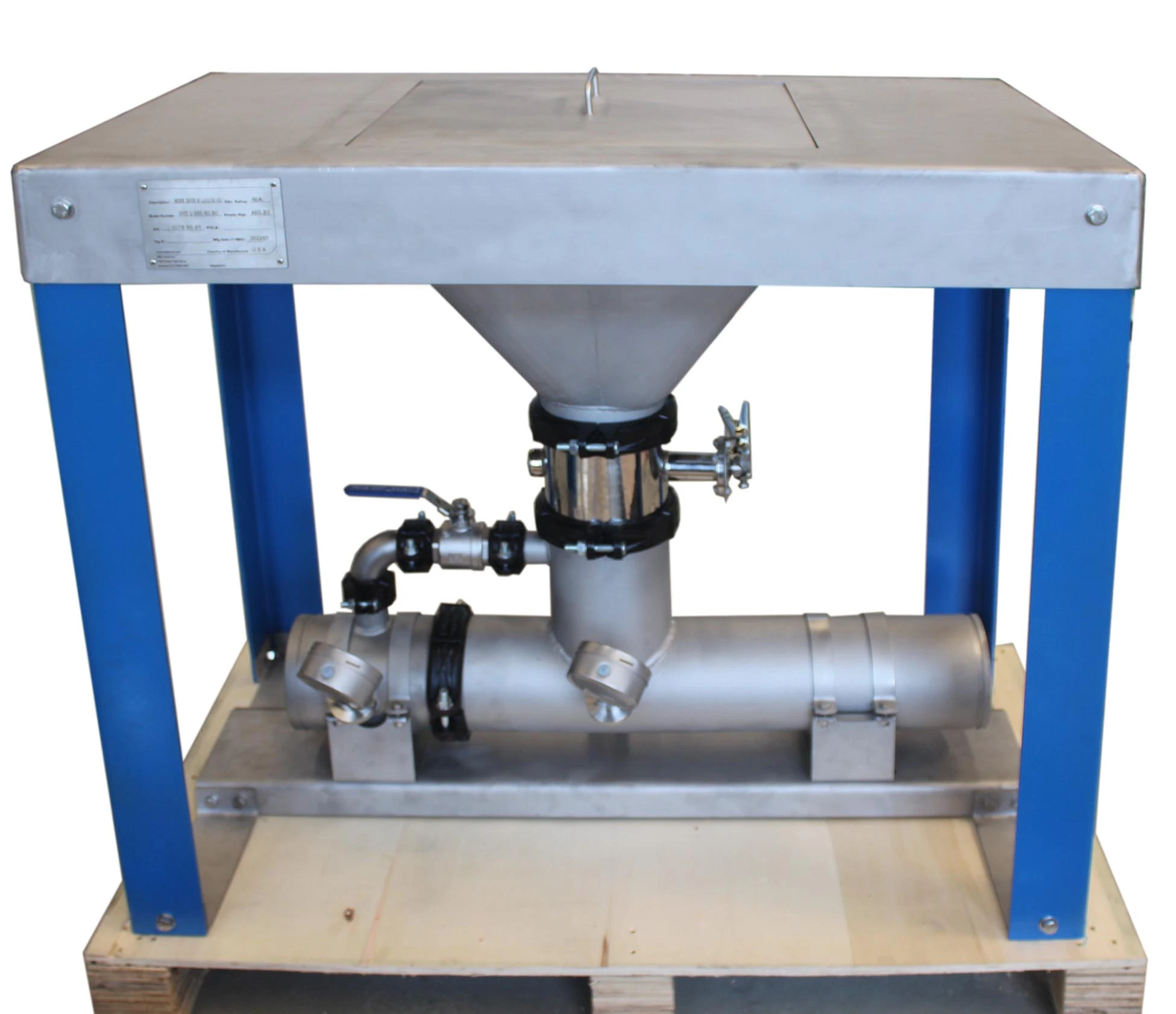
The PRM mixing hopper is a venturi-style slurry eductor used to blend solid and liquid additives into drilling fluid. The product page describes a no-moving-parts design, stainless steel construction, easy cleaning, CIP capability, compact structure, rapid dispersion, and resistance to plugging during additive dosing. It is suitable for buyers who need to evaluate mixing performance, operator control, and installation fit before ordering equipment for oilfield fluid systems.
| Product Name | Mud mixing hopper manual control |
|---|---|
| Model Reference | PRM-mixhopper-model01 |
| Equipment Type | Venturi-style slurry eductor and mud mixing hopper |
| Main Function | Mixes solid and liquid additives into slurry for drilling fluid preparation |
| Mixing Principle | Vacuum and dynamic shear through a venturi eductor structure |
| Construction | Stainless steel construction stated on the product page |
| Cleaning | Easy to disassemble and clean, with CIP capability noted by PRM |
| Additive Handling | Polymers, starches, emulsions, clays, pigments, gums, hydrocolloids, and similar materials subject to process review |
| Control Method | Manual butterfly valves or digital control pneumatic butterfly valves may be considered by system requirement |
| Pressure Monitoring | Mechanical positive pressure gauge at inlet, mechanical negative pressure gauge at outlet, or transmitter-based monitoring by system design |
| Application | Oilfield mud mixing, drilling fluid additive dosing, slurry preparation, and solids control support packages |
| Order Details | To be confirmed by project quantity, connection requirements, installation space, and packing needs |
These PRM articles support buyers comparing manual control equipment, compact hopper layouts, and additive mixing choices for oilfield fluid handling projects.
Reviews how a manual control hopper can support additive dispersion, slurry preparation, and practical operator handling in drilling fluid systems.
Read ArticleHelps procurement and engineering teams compare manual control points, valve selection, pressure monitoring, and process reliability considerations.
Read ArticleCovers why compact hopper design matters for skid layout, field installation, cleaning access, and space-limited oilfield fluid preparation systems.
Read Article5 / 5 Rating
The hopper configuration review helped our mud plant team compare manual valves, pressure gauge positions, and additive loading workflow before issuing a purchase request.
Drilling Fluids Procurement Lead, United Arab Emirates
5 / 5 Rating
We needed a compact mud mixing hopper for a skid package, and the supplier discussion focused on installation space, cleaning access, and field dosing needs.
Solids Control Equipment Buyer, Indonesia
5 / 5 Rating
The product information was useful for a distributor quotation because it connected additive mixing, manual control, and packing details in one technical request.
Oilfield Supply Category Manager, Saudi Arabia
A manual control mud mixing hopper uses a venturi eductor principle to pull solid or liquid additives into the fluid stream. The buyer should confirm pump flow, pressure conditions, additive type, valve arrangement, and cleaning access before selecting the final package.
Projects may involve polymers, starches, emulsions, clays, pigments, gums, and hydrocolloids. The exact hopper setup should be reviewed against additive particle behavior, hydration target, expected dosing speed, and the drilling fluid process used on site.
Pressure monitoring helps operators understand inlet pressure, outlet pressure, and vacuum conditions during dosing. For more controlled systems, pressure transmitters may be considered so the control package can respond to differential pressure and vacuum changes.
A useful inquiry should include the fluid system layout, expected additive types, pump flow range, preferred valve control method, material preference, connection requirements, installation space, destination market, and quantity estimate.
A compact hopper can help when skid space, pipe routing, and operator access are limited. The buyer still needs to confirm suction conditions, cleaning clearance, frame arrangement, and the working height needed for safe additive loading.
Distributors should confirm the model reference, material configuration, valve type, gauge or transmitter needs, packing method, spare part expectations, label requirements, and whether the equipment will be sold alone or as part of a mud mixing package.