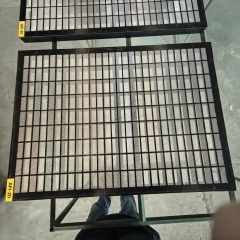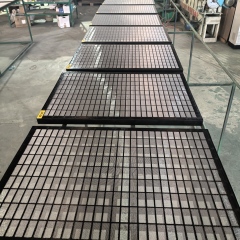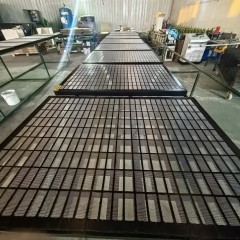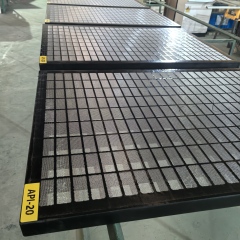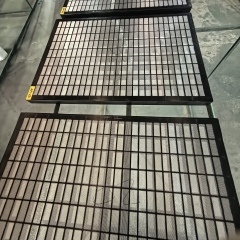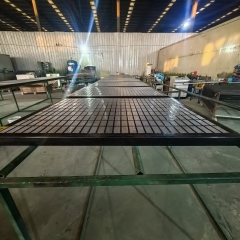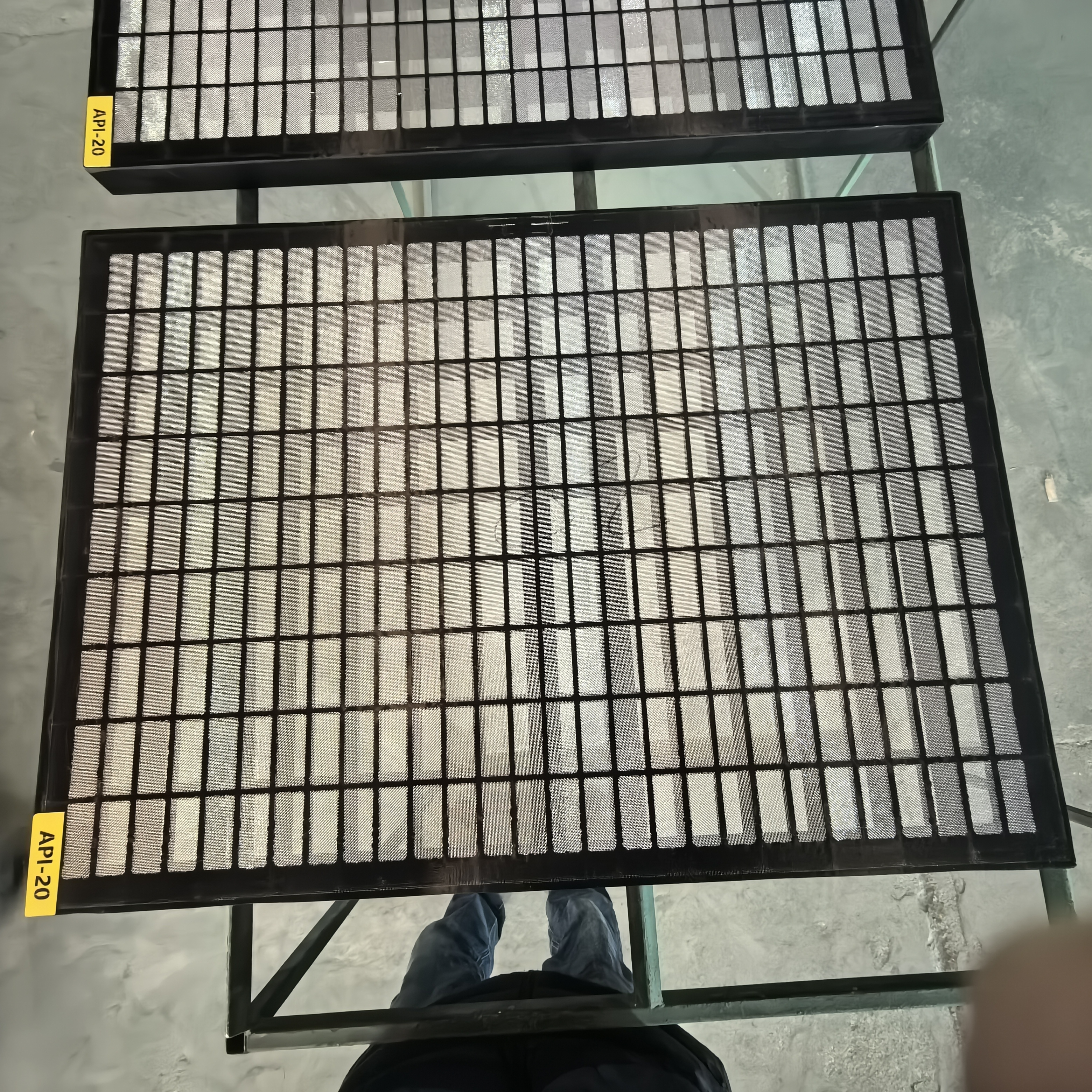
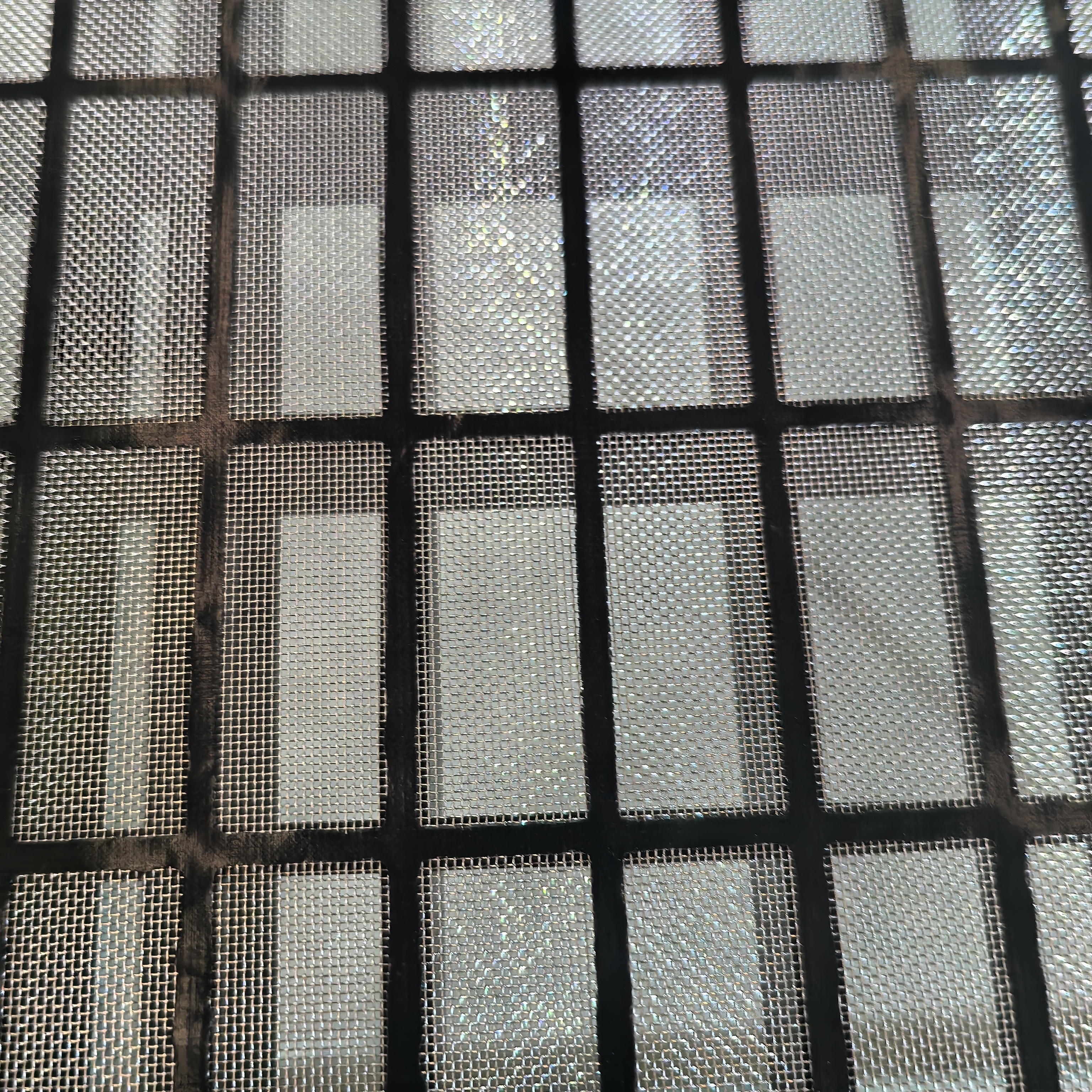
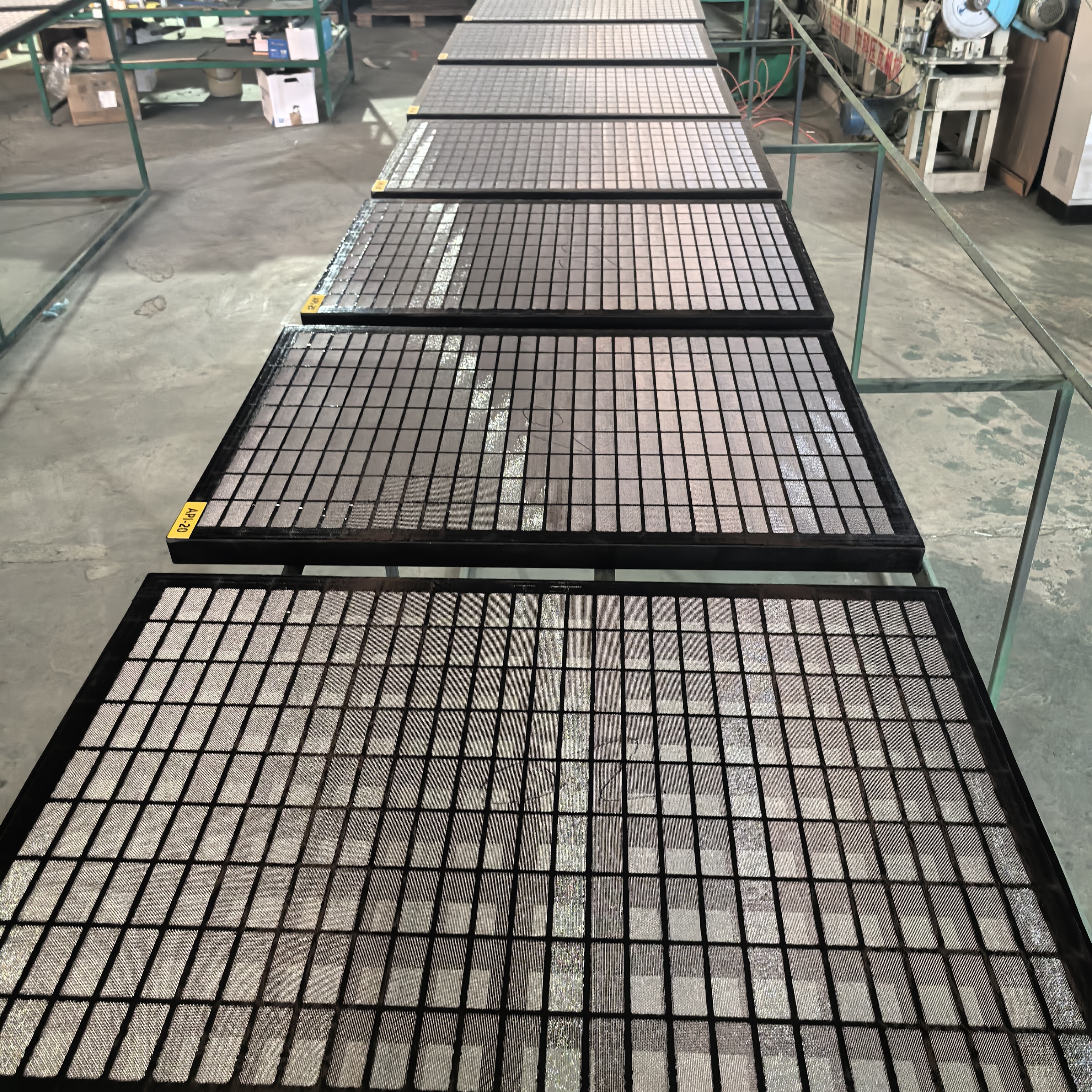
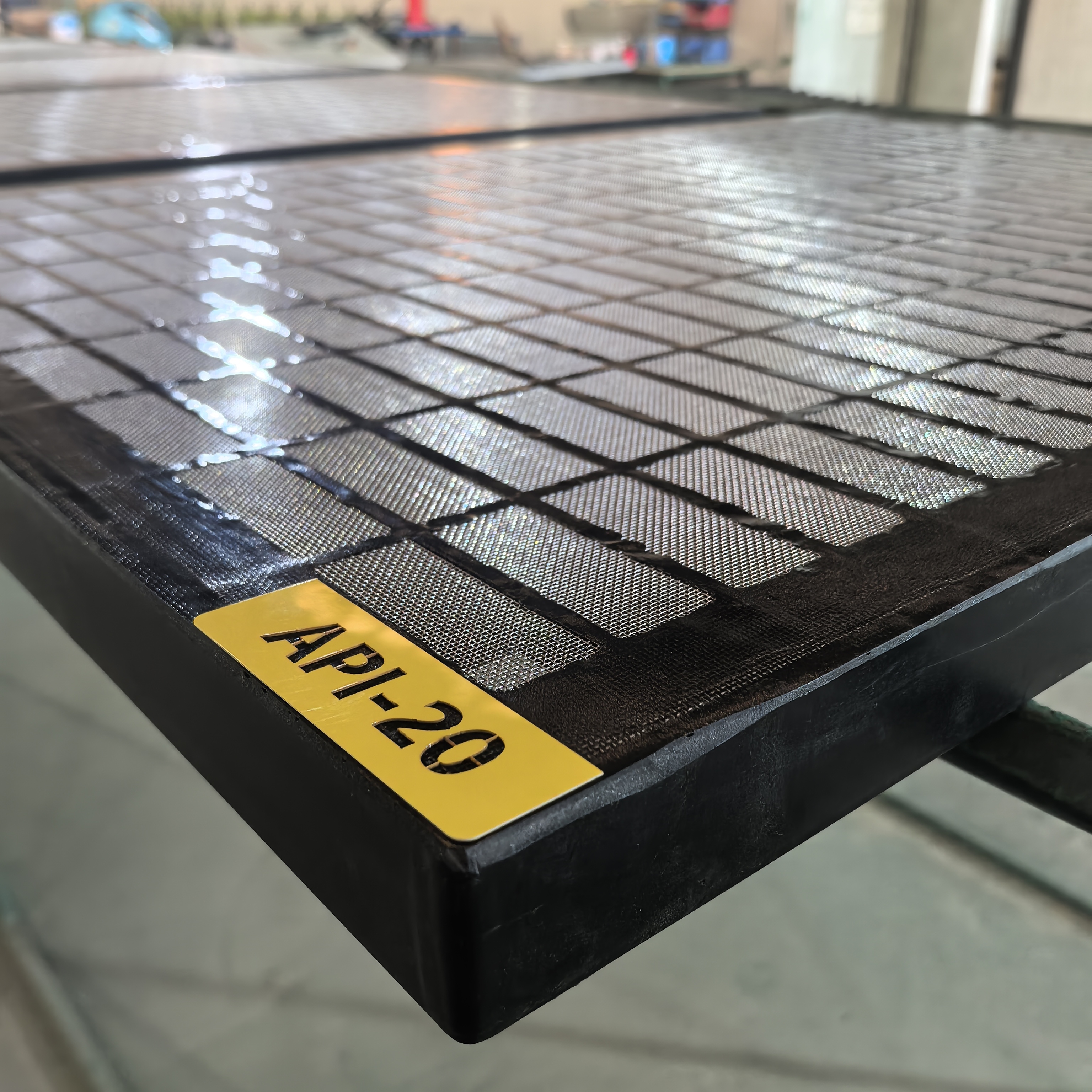
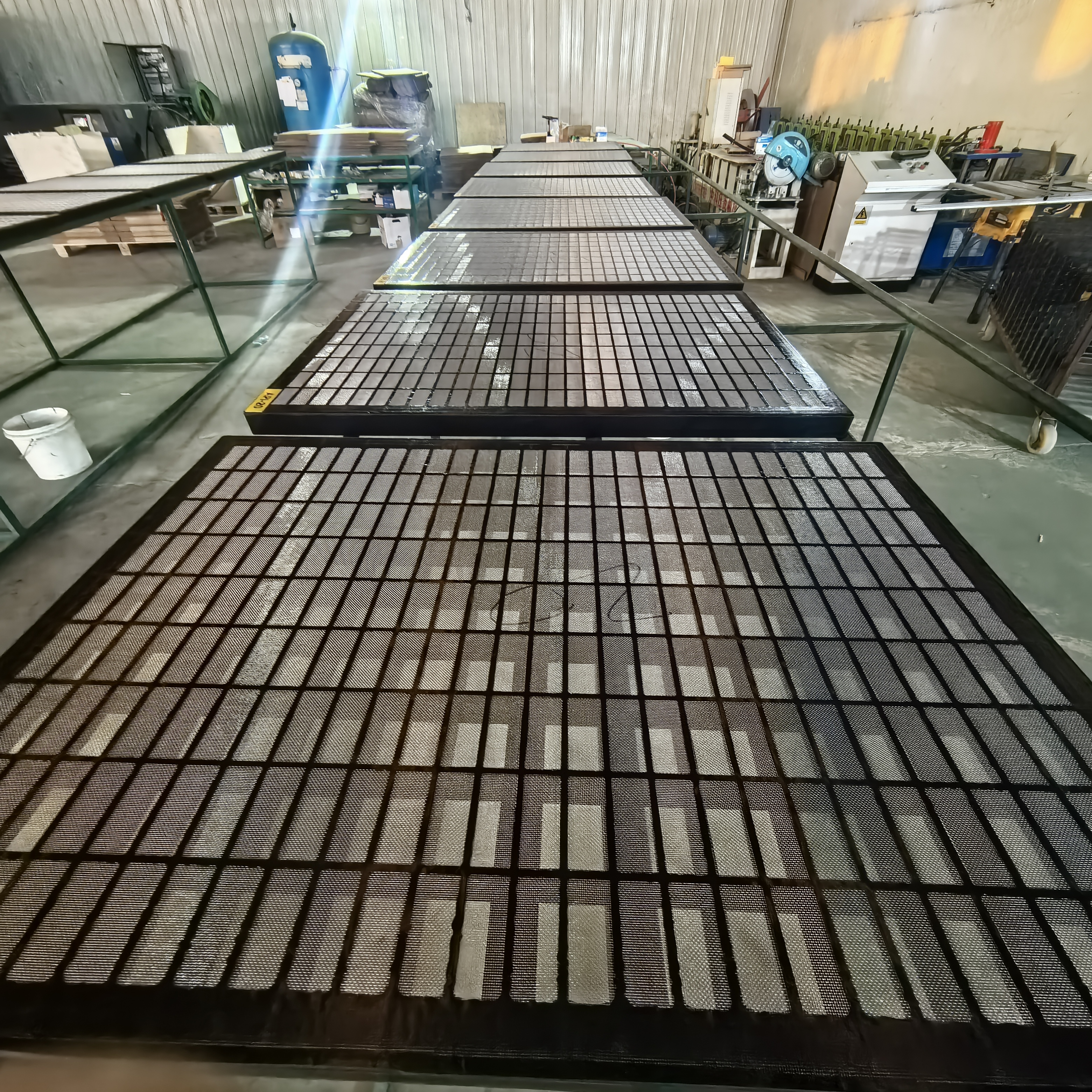
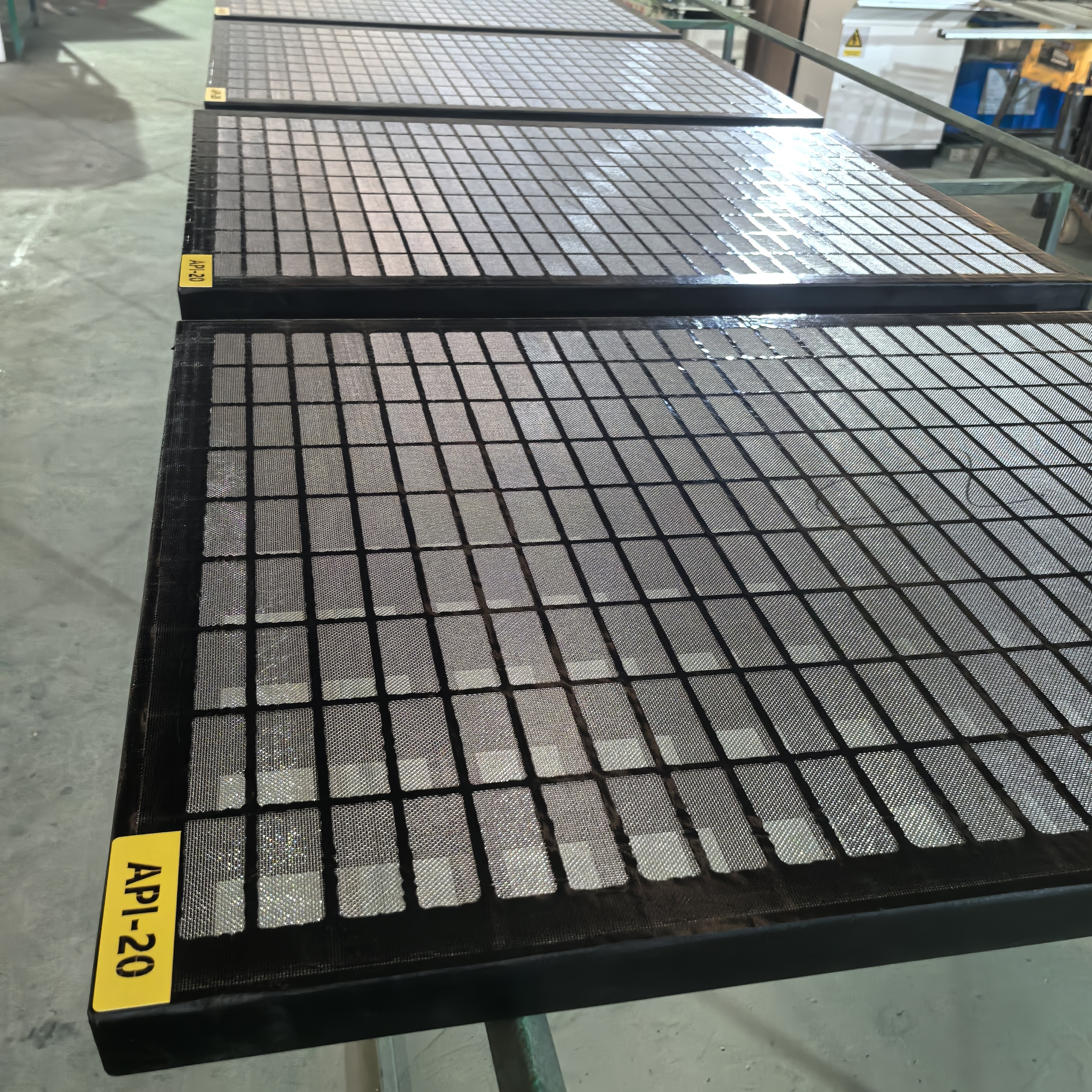
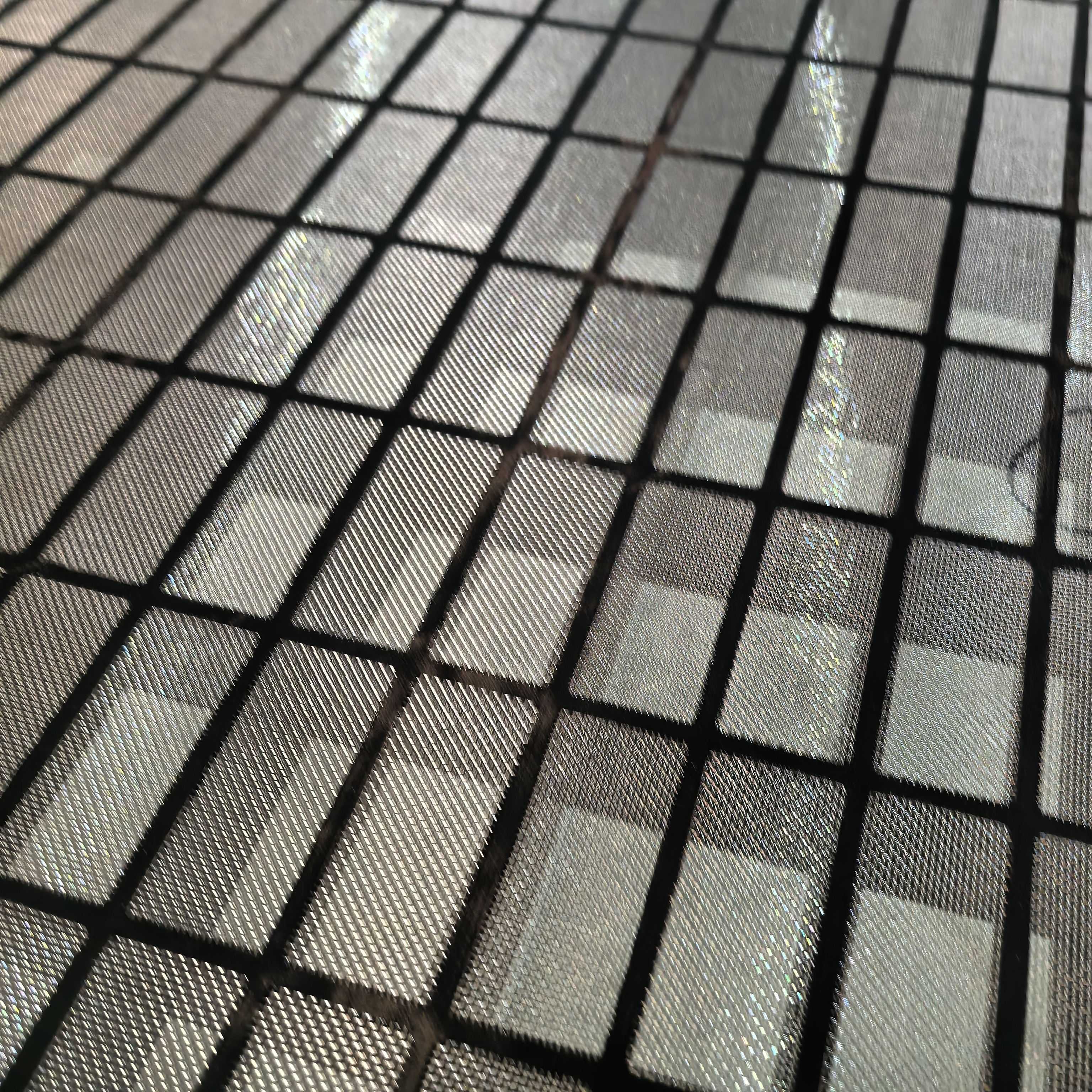
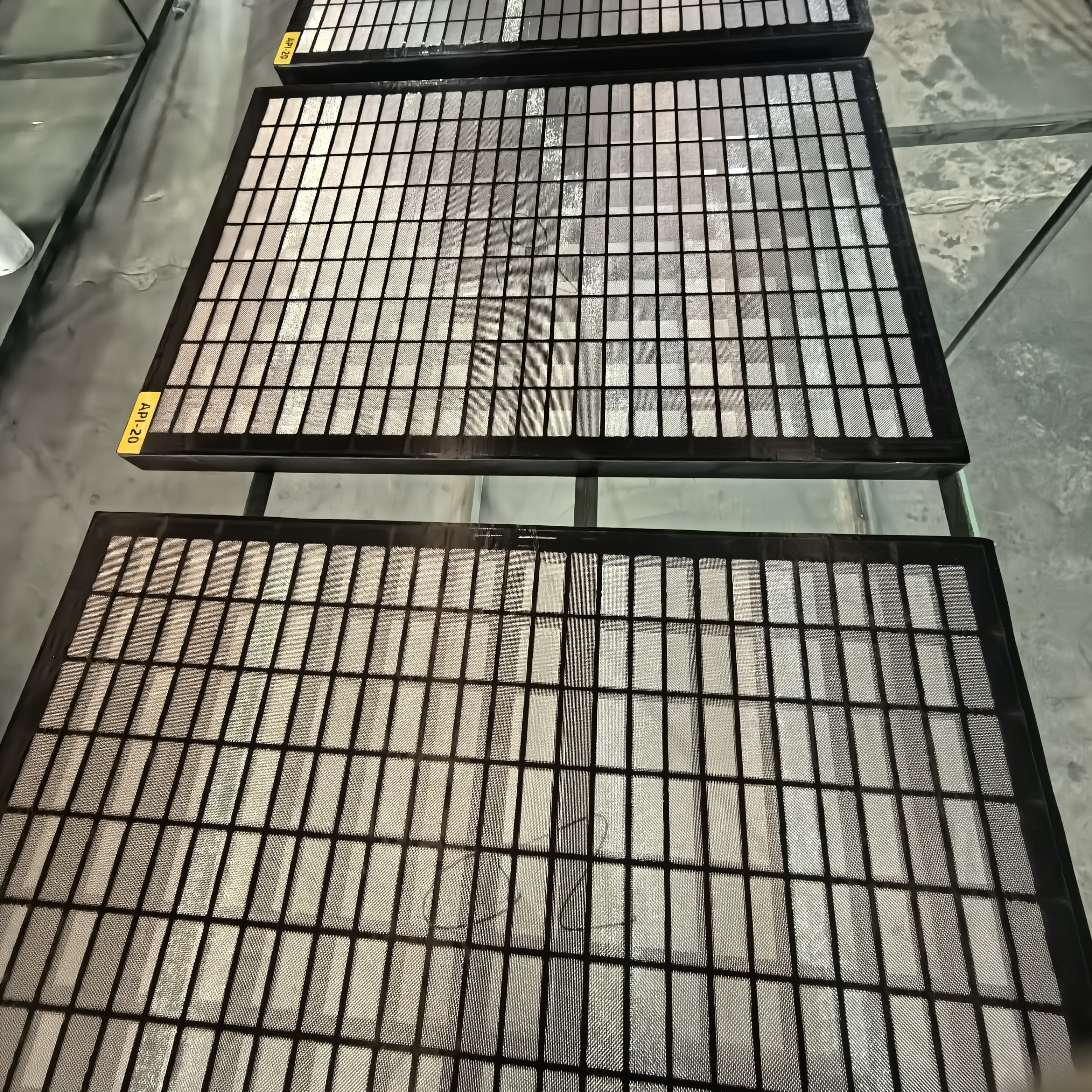
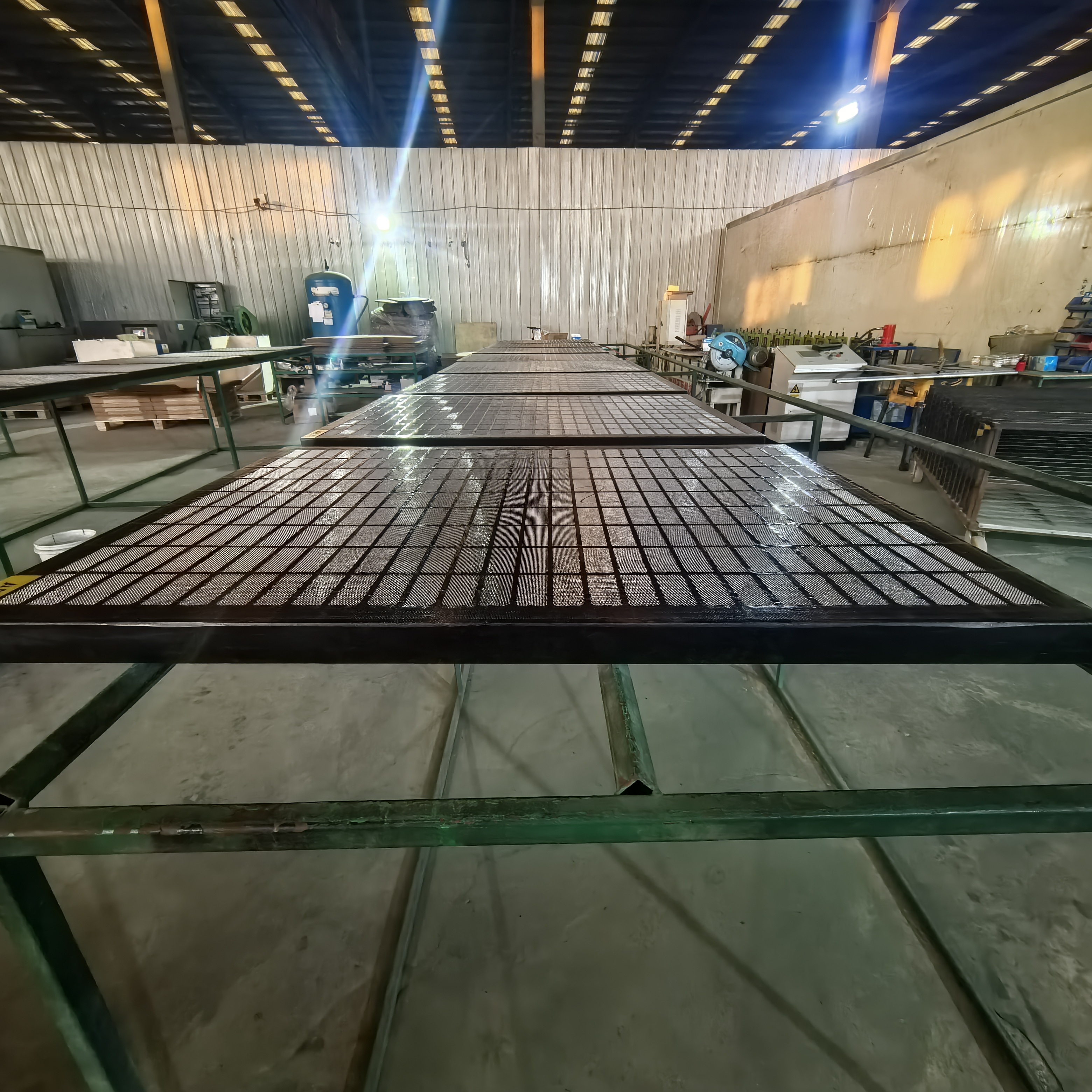
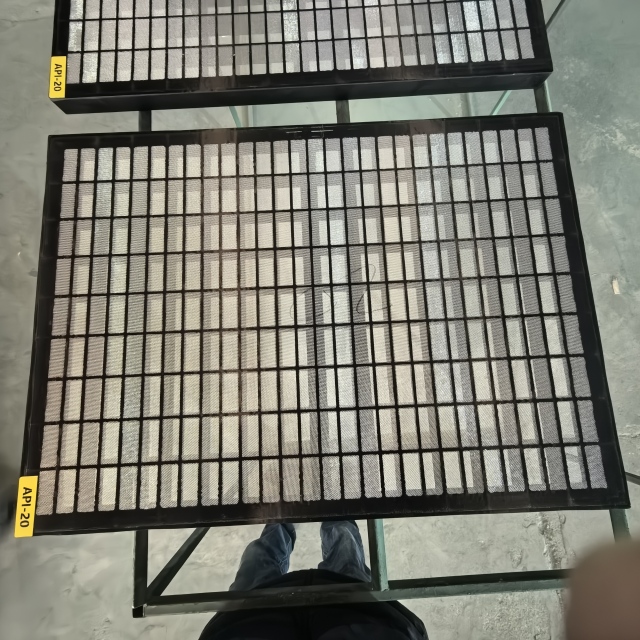
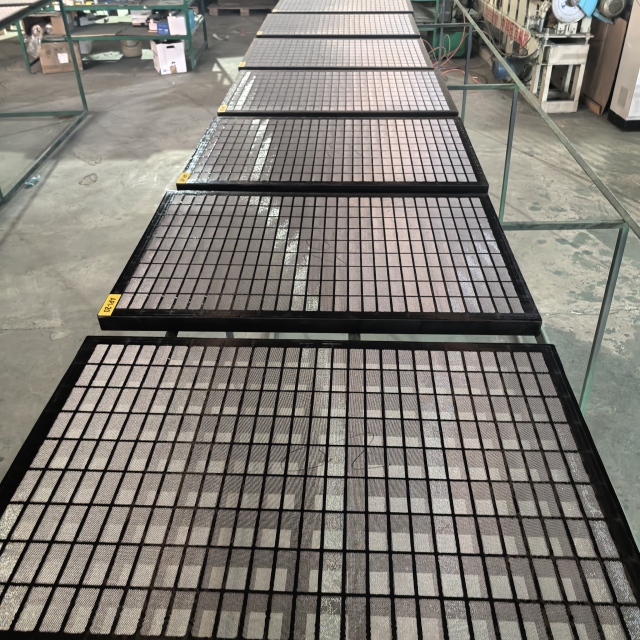
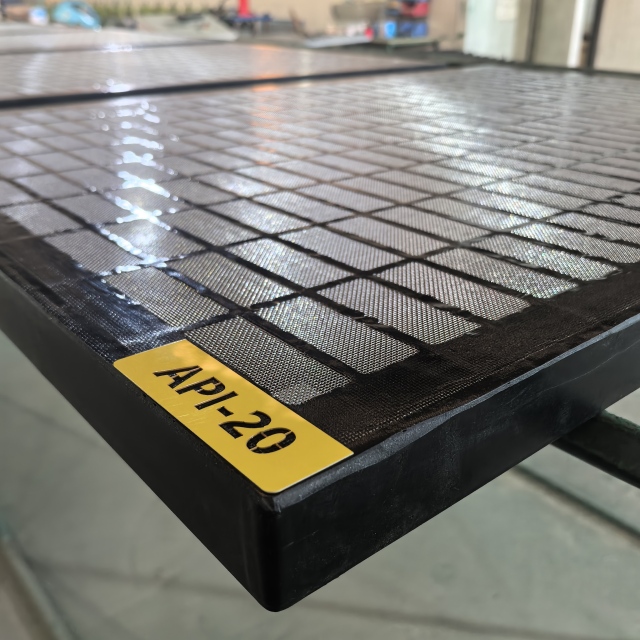
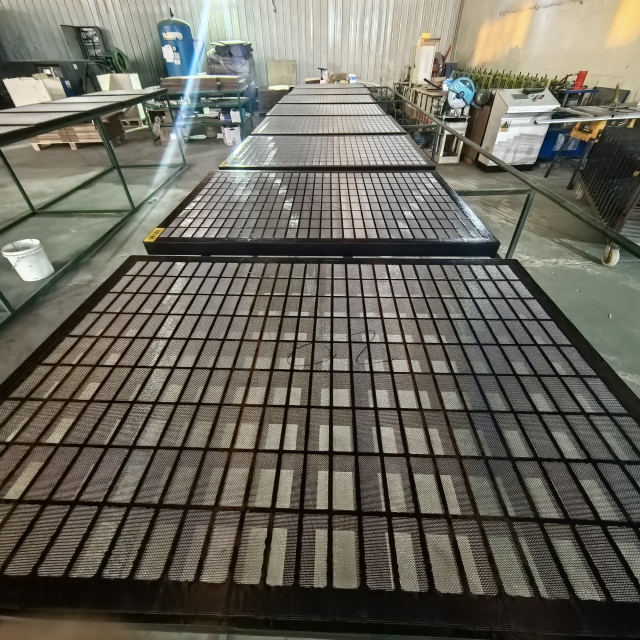
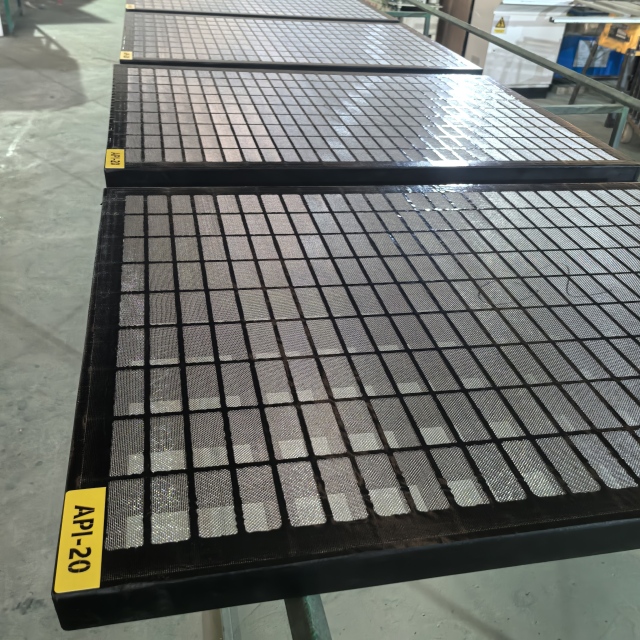
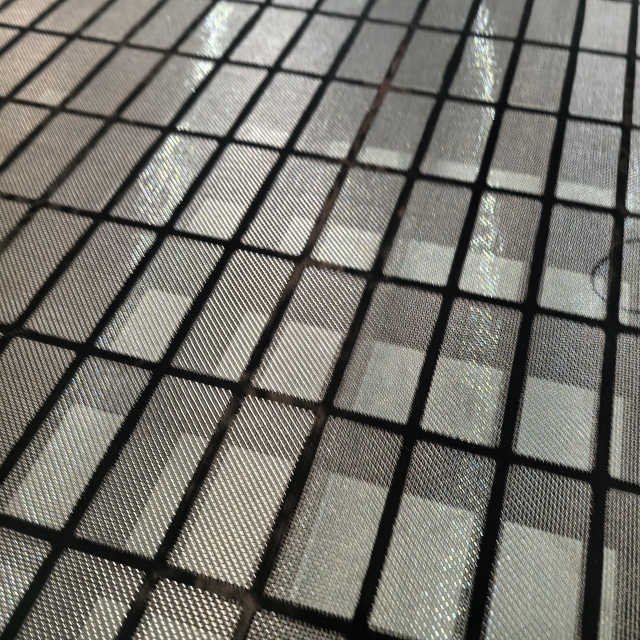
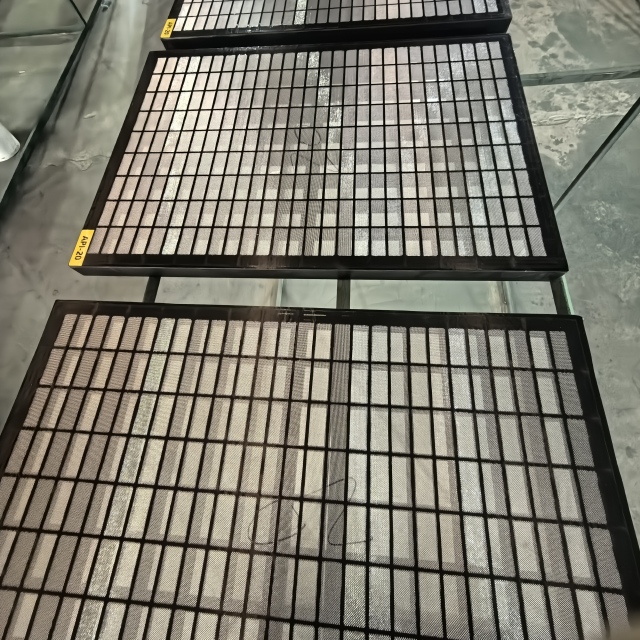
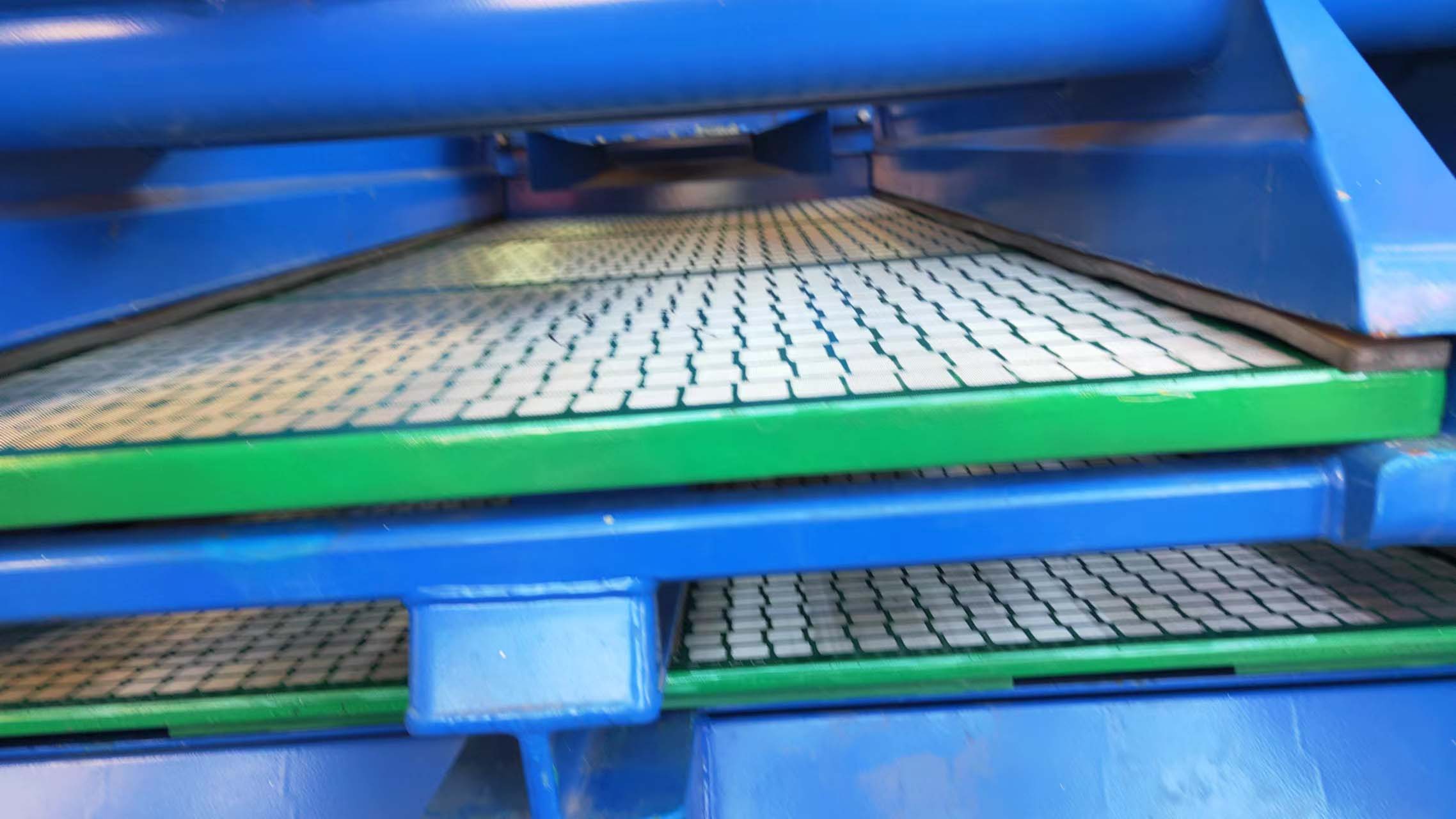
This is the coarse-screen panel for the top scalping deck of the NOV Brandt VSM300 shaker. It takes the first and heaviest cut of the return flow — large cuttings, cavings, gumbo and the abrasive grit that travels with them — at the point in the circuit where those solids are still big enough to be taken out cheaply.
The panel is light enough to lift onto the deck without rigging and stiff enough to hold its screening surface flat under the shaker's motion. It goes into the same deck position as the panel it replaces, so the crew follows the change-out routine they already know rather than learning a new one.
Buyers arrive here from two directions. Some are keeping an existing shaker in service and need a replacement shaker screen at short notice — the right dimensions, and a frame that will not fail before the mesh does. Others are planning a deck set for a new campaign or restocking a mixed fleet with wholesale shaker screens, where the priority is a panel they can reorder without re-measuring and re-checking every time.
Both come down to the same thing: one item to hold in stores, one change-out routine for the crew, one deck to plan around.


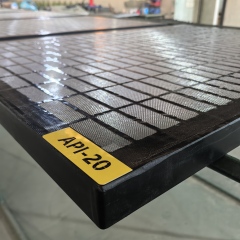
Composite means the frame is moulded from a reinforced polymer rather than welded together from steel sections. On a scalping deck, that changes three things.
It does not corrode. A scalping panel lives wet. A steel frame that has sat in a warehouse or on an idle deck comes back with rust in the corners, and the first thing to let go is the mesh where it meets that corrosion. A composite frame goes onto the deck in the condition it was packed in.
It damps the shaker's motion instead of carrying it. The panel has to ride the deck without the frame ringing or the bond line working loose at the corners — which is usually where a scalping screen fails first: not in the middle of the mesh, but where the mesh meets the frame at the feed end.
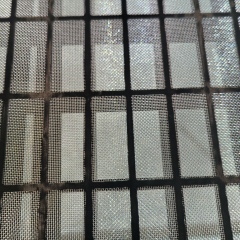
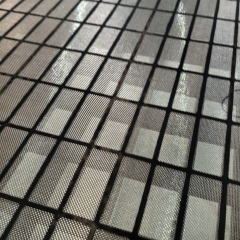
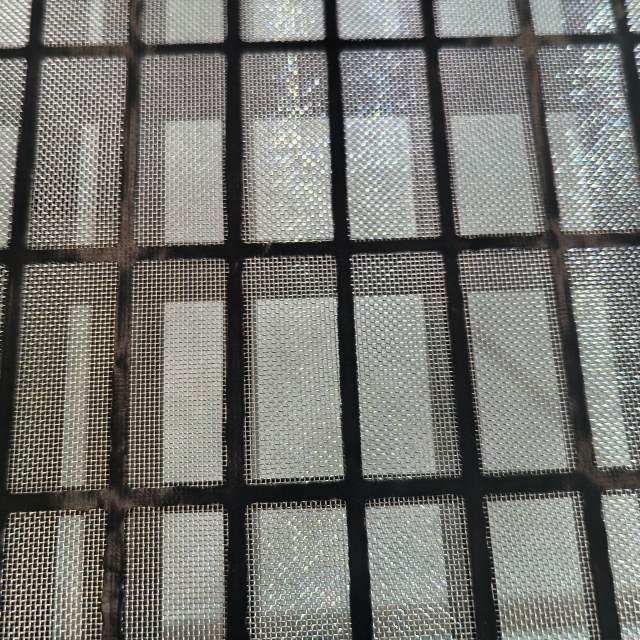
The mesh is bonded across the full frame face. Uniform bonding is what keeps the cut point stable. A panel with slack mesh in one corner screens coarser there and finer everywhere else, and the first symptom is uneven wear and inconsistent solids in the discharge rather than an obvious failure.
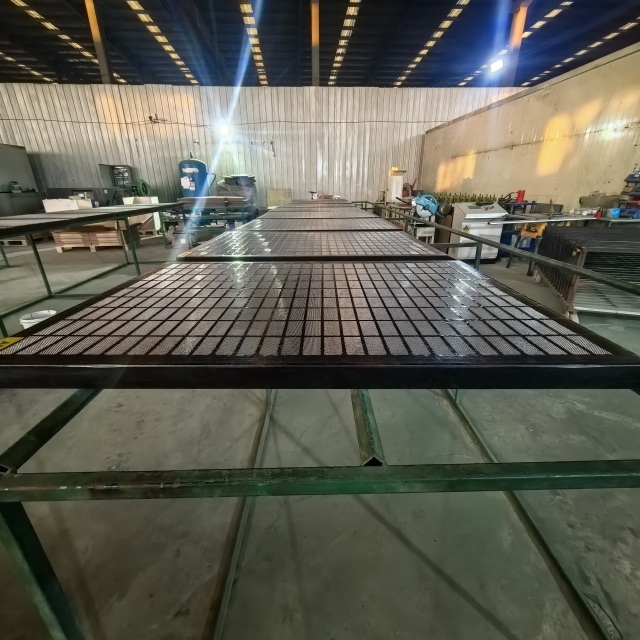
As a shaker screen manufacturer we check every panel before it is packed: frame flat and square, bond line continuous with no voids, mesh free of wrinkles and ripples, edges sealed. Those four checks are what separate a panel that lasts a section from one that lasts a week.


A screen only performs as well as its seating. This panel is made to sit flat and tight on the deck it was dimensioned for, so the shaker runs at the motion it was set up for: no panel lift, no creeping at the edges, no fluid slipping around the frame instead of passing through the mesh. That is what compatibility means in practice — the deck seals, the panel stays where it was put, and the screening area you paid for is the area doing the work.
It is also built to work inside PRM's own solids control line. Screens and the equipment they sit in are designed as one family, so a deck dressed with our panels and the rest of the circuit from the same source runs to a single specification — and one shaker screen supplier carries the responsibility for the whole arrangement.
Mixed fleets are where fit matters more than the badge. A location running several shaker brands needs each panel matched to its own deck, and the range covers the NOV, Brandt, MISWCO and Derrick decks in common service. If you stock screens as a shaker screen parts supplier for other operators as well as for your own rigs, send the model list and we will confirm what we can cover.
Shaker model names are the trademarks of their respective owners. We supply replacement screens for those decks and are not affiliated with the shaker manufacturers.
| Panel type | Composite-frame scalping screen |
| Deck position | Top scalping deck, first-stage coarse solids removal |
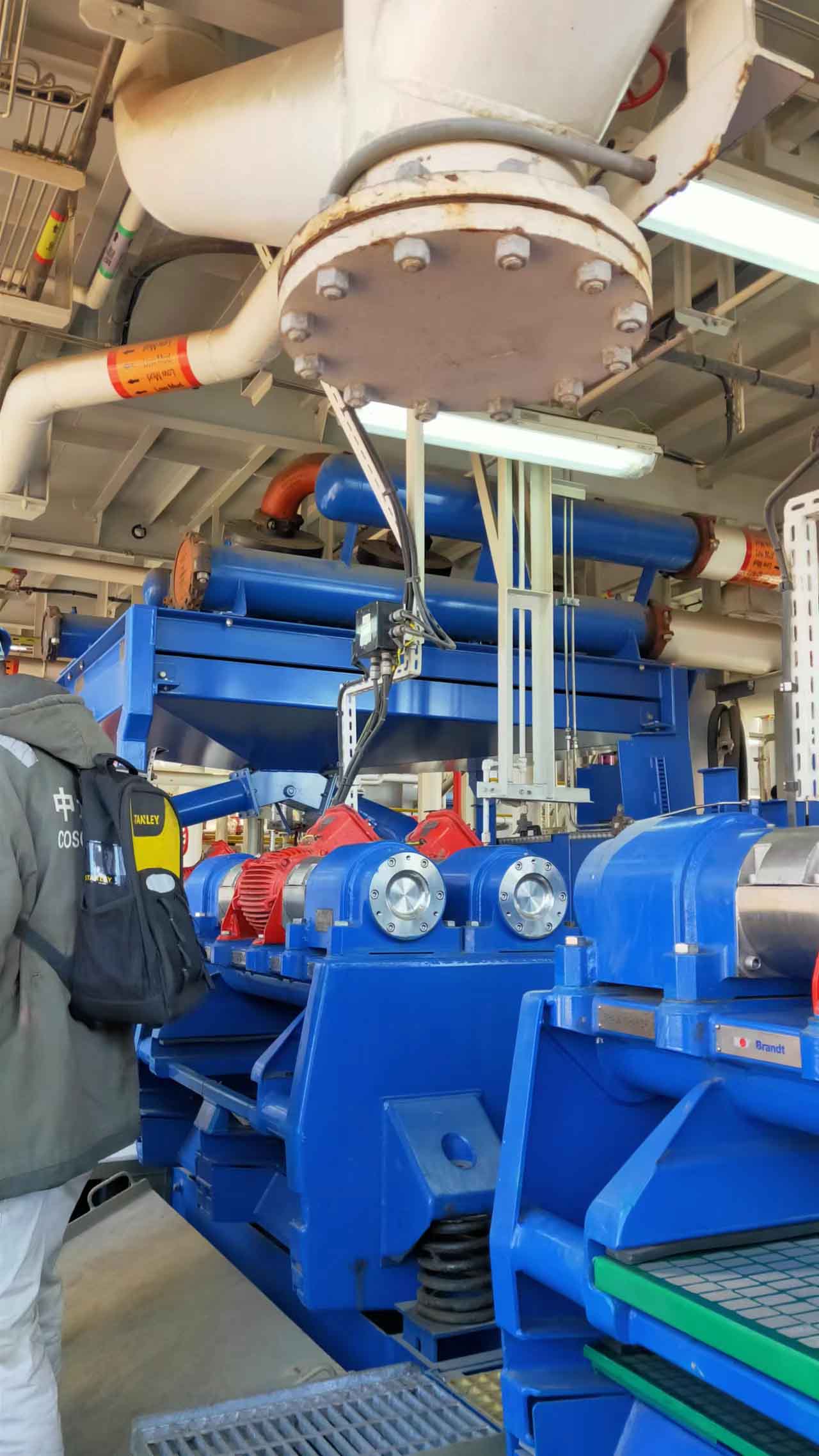
| Shaker compatibility | NOV Brandt three-panel top scalping deck |
| Panel orientation | Long side runs across the deck |
| Overall dimensions | 938 mm × 674 mm × 40 mm |
| Weight | 11.85 kg per panel |
| Frame | Composite frame |
| Screen surface | High-strength wire mesh |
| Deck loading | Three panels per scalping deck |
| Fluid compatibility | Oil-based and water-based drilling fluids |
| Service environment | Offshore and onshore |
The designation is a measurement, not a wire count. A mesh designation describes what a screen passes under a standard test method, not how many wires are woven into an inch. Two panels carrying the same designation should cut at the same point, which is what makes the number worth quoting when you compare a replacement screen against the one already running on the deck. Same designation, different panel. The number says nothing about open area, tension or how the mesh is bonded to the frame. Two panels can carry the same designation and still pass different volumes at the same cut, so we quote the designation together with the dimensions, the deck position and the frame construction rather than on its own. What we need to confirm it. The deck position, the panel dimensions, whether the mud is oil-based or water-based, and what sits downstream of the shaker. Where sign-off is needed, ask early. If the mesh call has to be defended against API RP 13C, request the test report with the quotation rather than after the deck is dressed. As a shaker screen manufacturer we would rather settle the paperwork while the order is still a quotation than hold a dressed deck waiting for it. Keep a record for every deck. Log the designation, the date the panel went in and the interval it delivered. When the mesh choice is questioned later by an operations lead, a client or a mud engineer, the interval on that deck is the argument, and it stands up far better than a specification sheet alone. Do not sign for what cannot be documented. We describe the designation as a mesh descriptor and supply the matching test report where the call needs one. If your client's specification asks for a particular certificate or approval paper, tell us before the order and we will state plainly what a shaker screen supplier can and cannot provide.
| Sign on the deck | What it means | What to do |
| Mesh bagging or rippling at the feed end | The bond has relaxed, so the cut point is drifting coarser | Pull the panel at the next planned stop and check the face against a straight edge |
| Bright polished patches where the frame sits on the rails | The panel has been working on the deck instead of sitting still | Check the rails and the clamping; a panel that moves wears through at the edges first |
| Tears starting at a corner or along the frame edge | Packed solids or a high spot on the rail has forced the frame out of square | Replace it, and clear the rail under that corner before the new panel goes in |
| Discharge running wetter and heavier than it used to | Fluid is bypassing the mesh through a hole, a lifted edge or a blinded area | Rule out blinding and edge bypass before ordering a replacement shaker screen |
| Clay packed into the mesh instead of riding over it | Sticky reactive cuttings, or a mesh too fine for the flow | Wash the deck down and re-check; if it comes back, the mesh call is the problem, not the panel |
| Mesh lifting off the frame, or a dull note when the face is tapped | Bond line failure from heat, abrasion or a distorted frame | Take it out of service; a patched or re-bonded face will not hold even tension |
| Clean mesh, but fluid backing up at the feed end | The deck is carrying more than the panel can pass, often after a formation change | Review the mesh call and the panels downstream before blaming the panel |
| No visible damage, yet the change-over interval keeps shortening | Mesh wears from the inside out, and the cut point shifts before the surface shows it | Keep a log of shaker screens replacement dates per deck so the next change is planned, not triggered |

Technical support comes from the team that builds the screens, not a call centre. With six years in this industry and our own factory, we can look at your machine, its make and model, and the position you need to fill, then confirm the correct match before your order ships. If a part wears early or fits badly, our engineers work through the problem with your crew and provide installation and start-up guidance by document, photo or video.
Premium (Liaoning) Oilfield Technology Co., Ltd. is a shaker screen manufacturer with its own plant in Liaoning, China, and six years in solids control. The business started on screens — replacement screens for the shaker decks operators already had, built to the dimensions and deck position of the machine rather than to a generic size. The technical side comes from the field. Our founder spent more than 20 years as a mud engineer and solids control technician before starting the factory, and that background still shapes what gets built: panels are designed around what actually fails on a deck, not around what looks good on a drawing. The catalogue has grown well beyond screens. It now covers drilling shakers, mud mixing units, shaker spares and other solids control equipment, plus drilling waste management and fluid services, with equipment supply, rental, maintenance and project support behind it. Screens go out to drilling contractors, oilfield service companies and supply houses in the Middle East, Europe and South America, as well as inside China — including supply houses that order wholesale shaker screens across several models. A single deck set for one rig and a multi-model stocking order are built to the same specification.
1. We manufacture the panel, not just the order. As a shaker screen manufacturer we control frame moulding, mesh cutting and bonding in our own plant, so the panel that arrives is the panel we specified — not a bought-in screen with our label on the crate. 2. Inspection at the panel, not at the invoice. Flatness, squareness, bond line and mesh condition are checked before packing. A defective panel is caught in the plant rather than on a rig floor, where finding out costs a shutdown. 3. Design informed by the field. Screen decisions come from people who have run shakers and managed mud systems, which is why panels are specified by deck position, fluid type and shaker model rather than offered as one generic size. 4. A range that covers the fleet. NOV, Brandt, MISWCO and Derrick decks, scalping, primary and fine panels, composite, metal-frame, polyurethane and stainless options — a location with mixed shakers does not have to source from four different places, and a single shaker screen parts supplier stays accountable for the fit across the set. 5. Repeat supply, proven. China Oilfield Services Limited has taken our shaker screens under successive yearly contracts since 2019 — a relationship that only survives if dimensions and quality hold from one batch to the next.