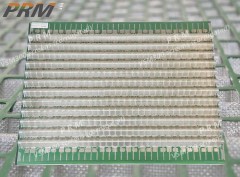
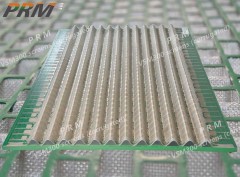
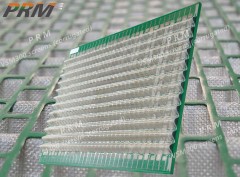
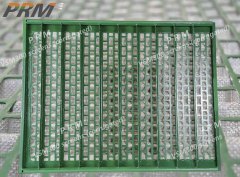
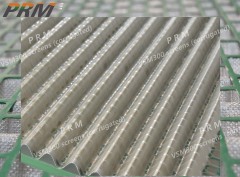
Panel Overview
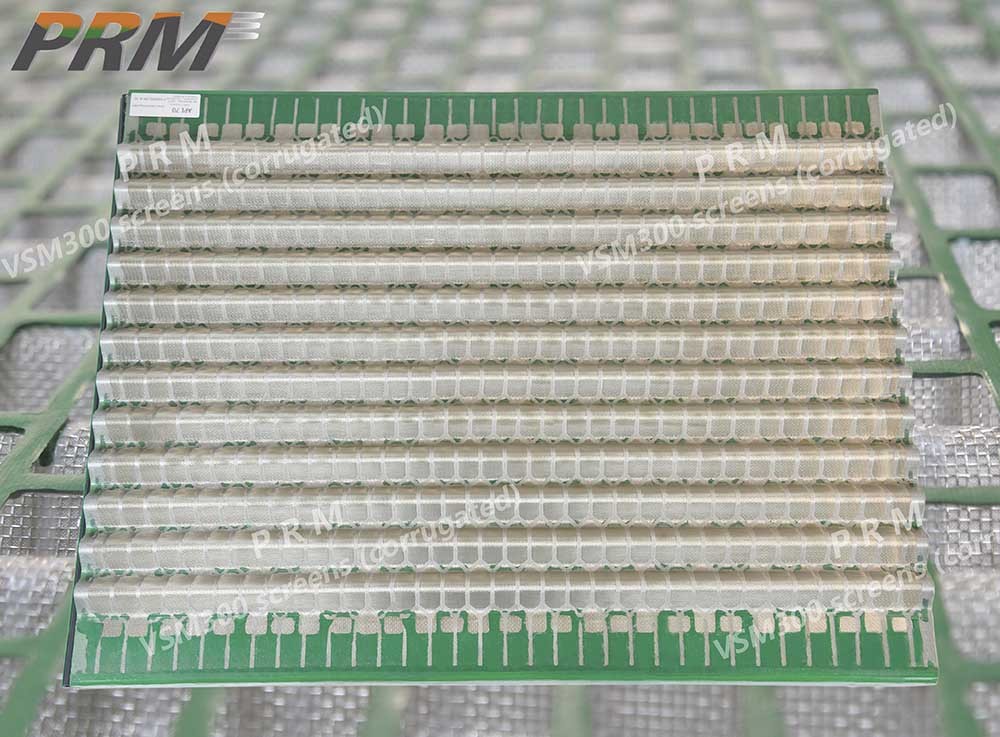
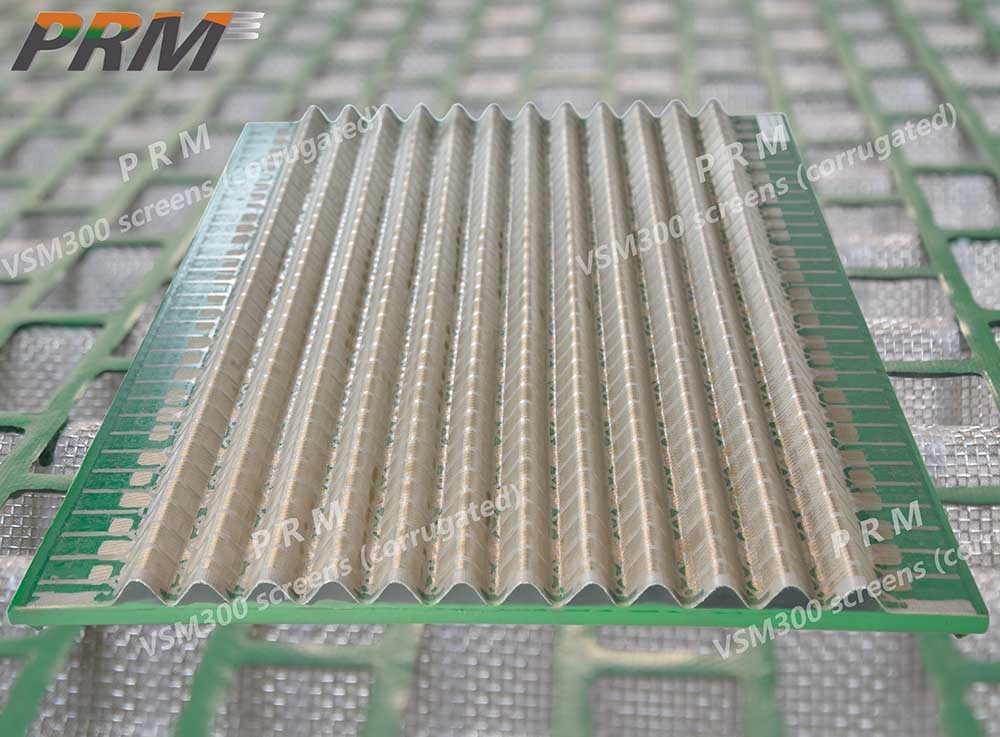
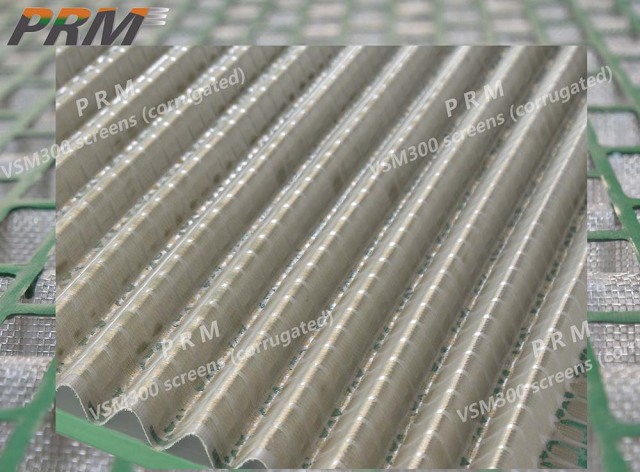
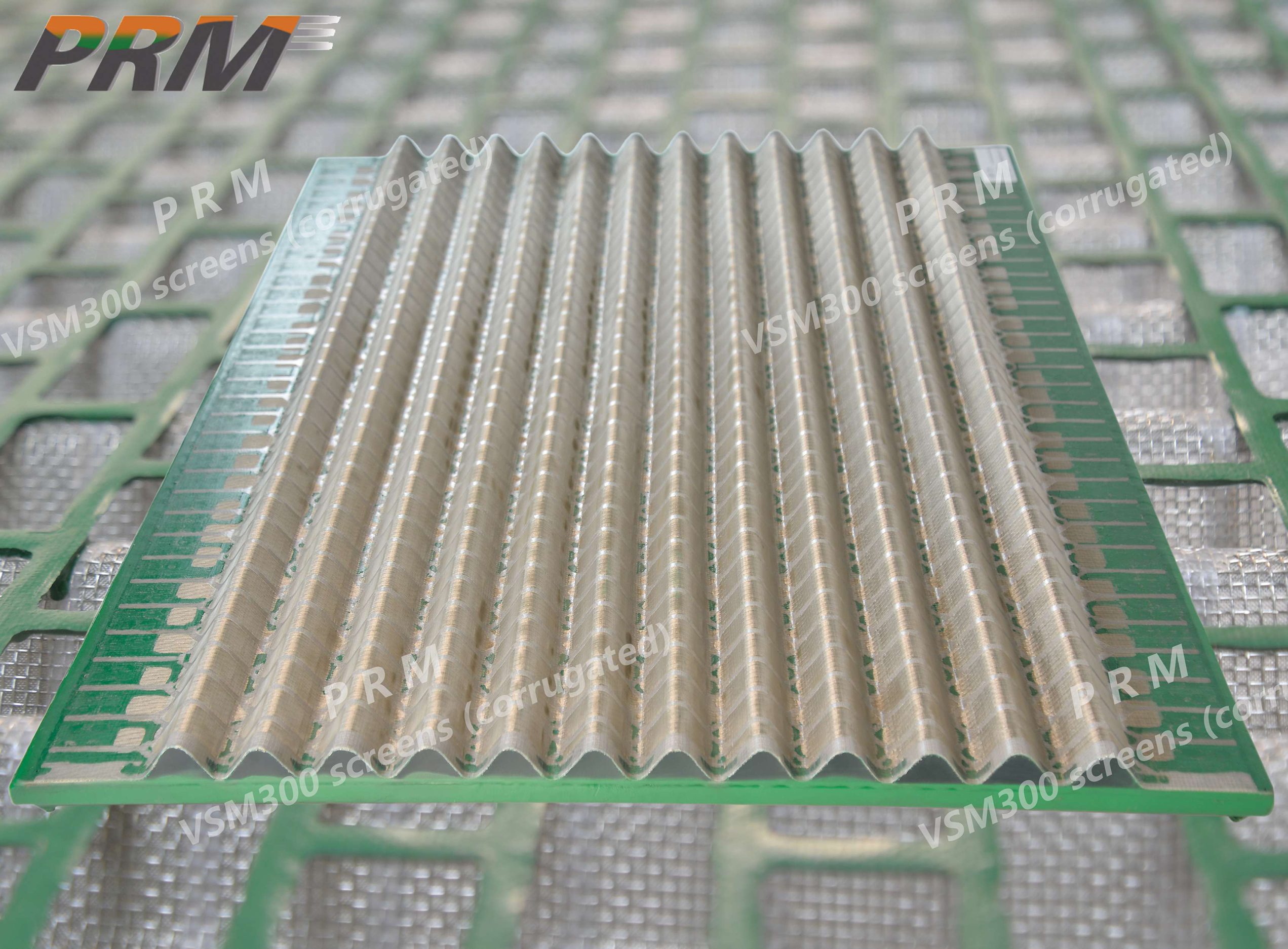
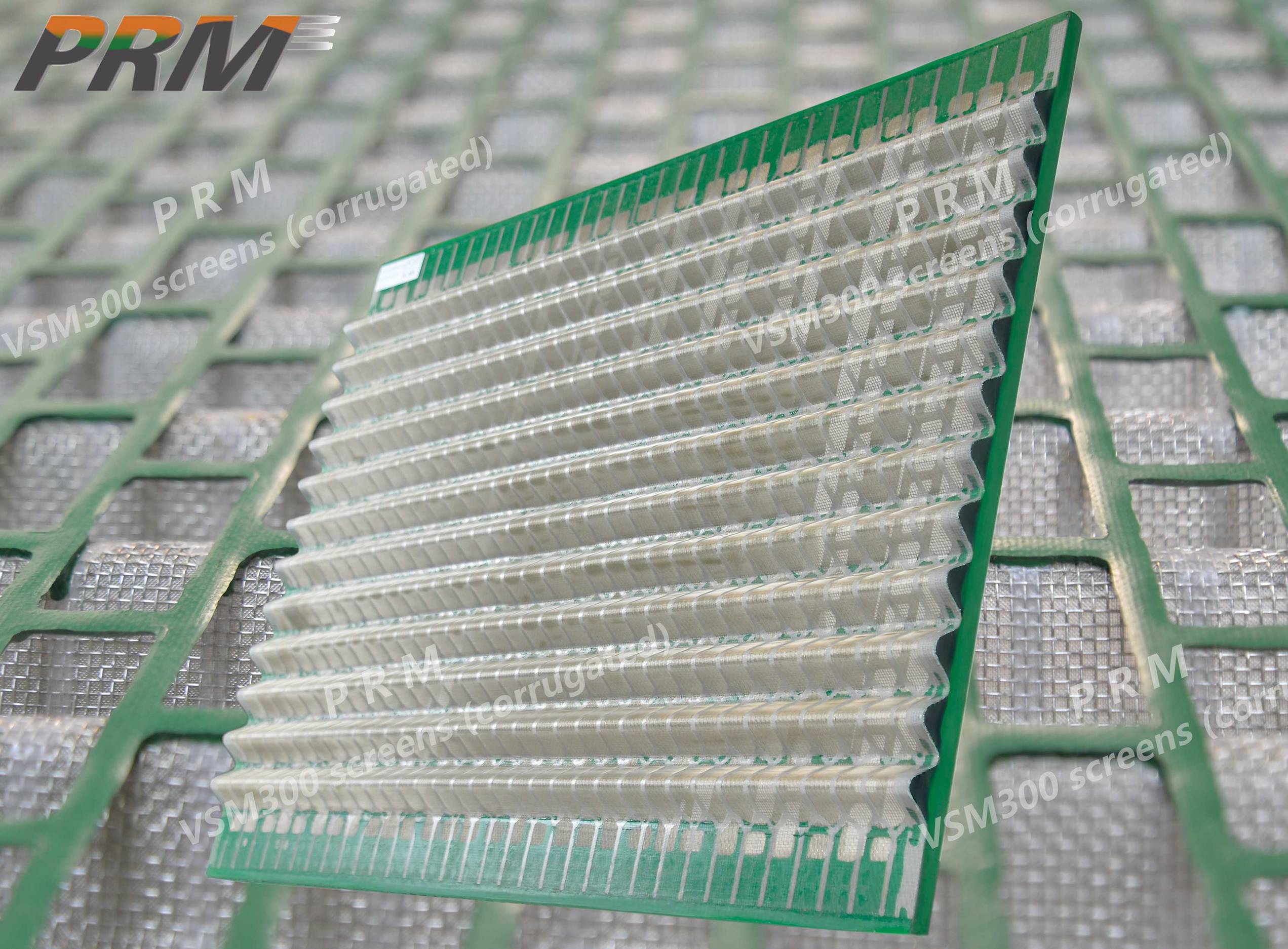
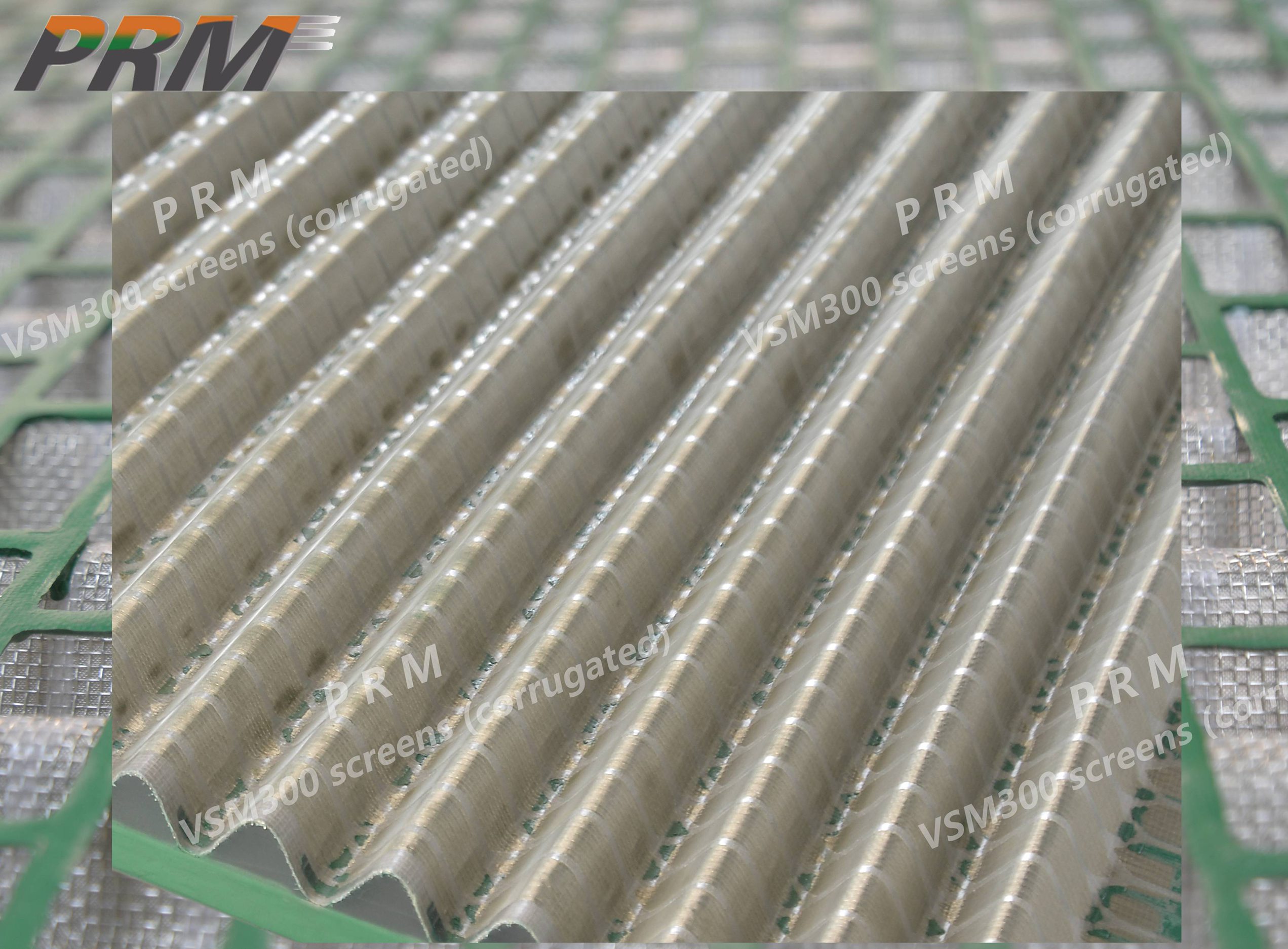
This corrugated wave screen is the primary-deck panel for the NOV Brandt shaker — the place where the heaviest solids load in the train arrives and where the machine's throughput is usually settled. Fit is the whole job on a consumable like this. The footprint, the panel count per deck and the tensioning face all follow the shaker, so the crew works with the routine it already has and nothing on the machine has to be adapted when a flat primary deck is switched to the wave profile. We build it as a direct-fit replacement shaker screen rather than a universal panel trimmed to size. That is the difference between a deck that goes back together in one shift and one that has to be fettled on the rig floor. You are buying from a shaker screen supplier that runs its own press, bond line and mesh table, so a question about fit reaches the people who built the panel rather than a trading desk.
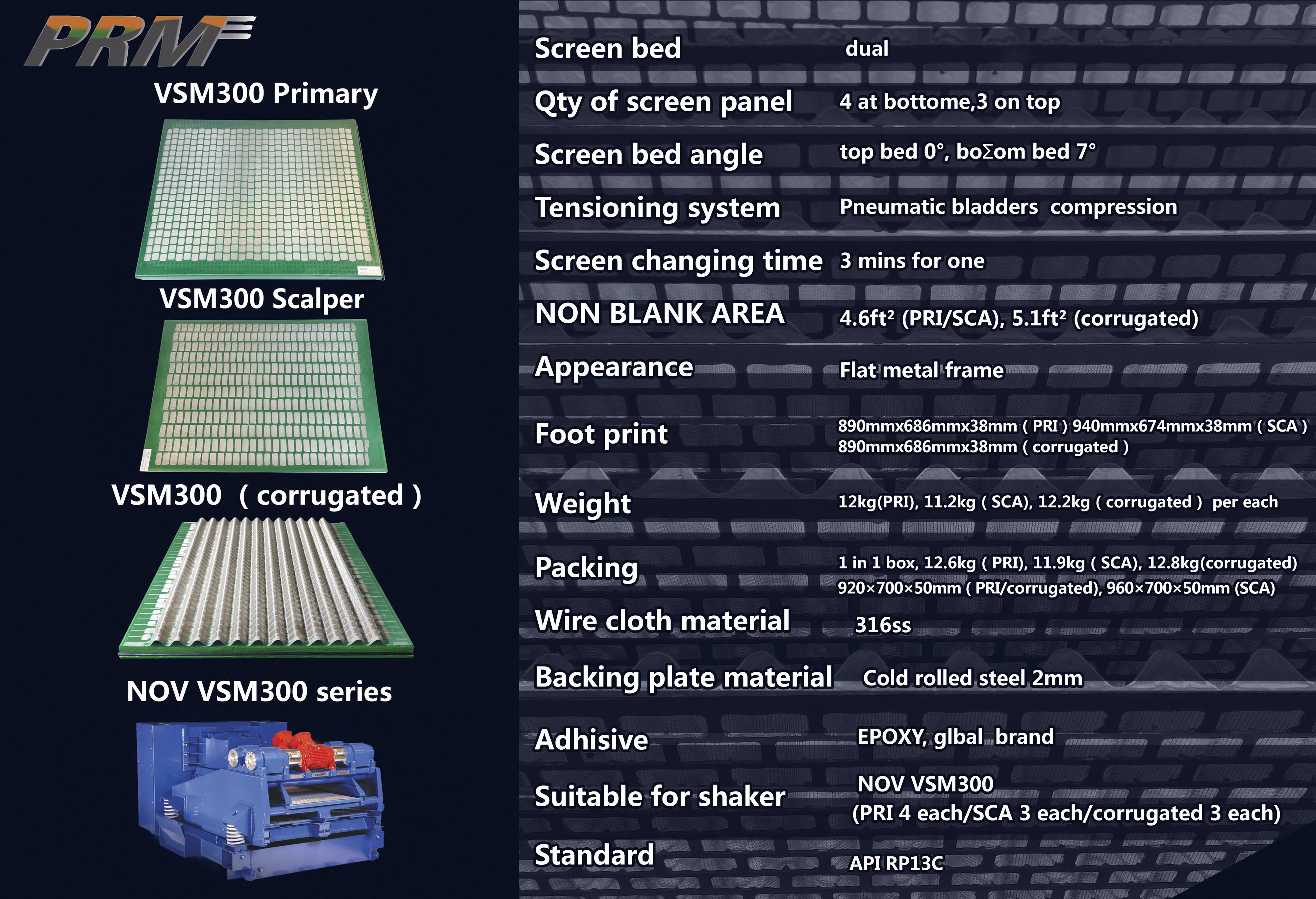
Corrugated Construction & Frame Rigidity
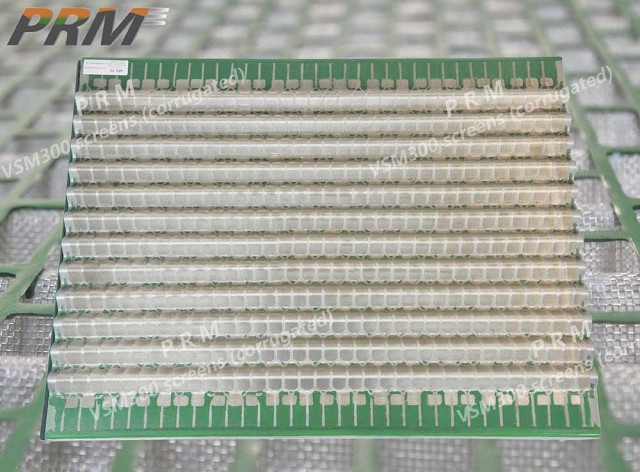
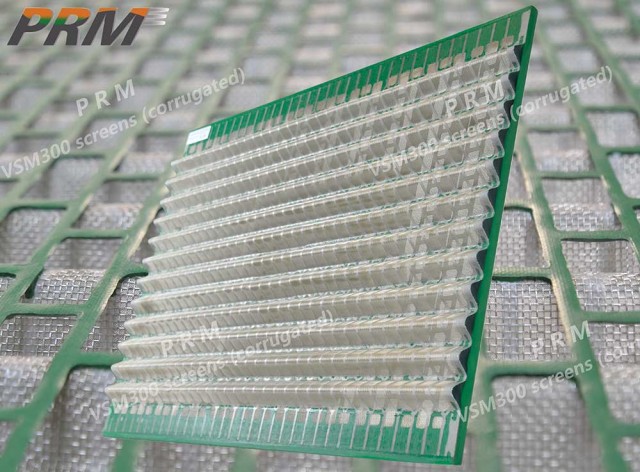
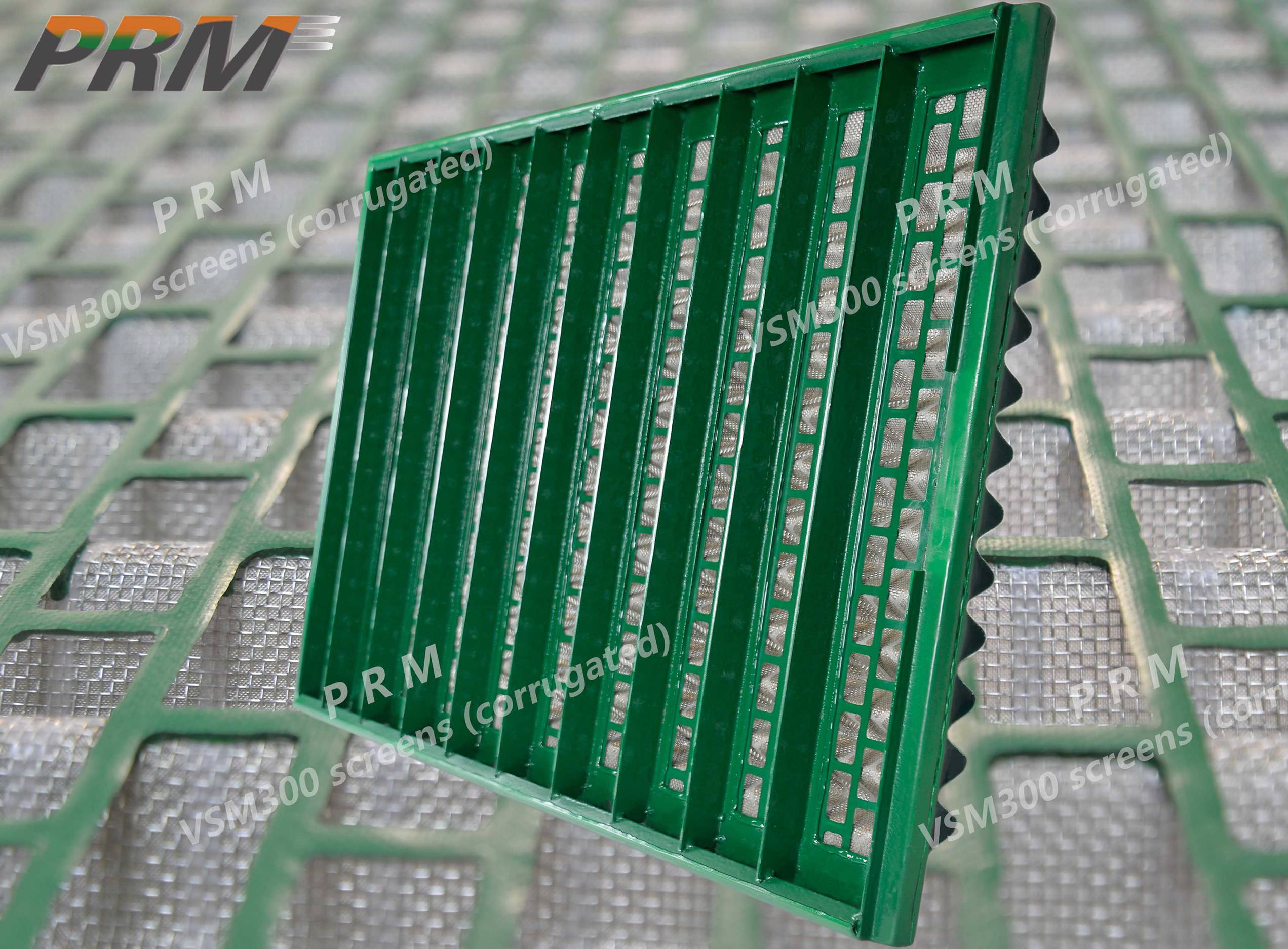
- A frame folded from 2 mm sheet. The outline starts as steel sheet bent into shape instead of being welded up from bar, so there are fewer joints where a crack can begin under continuous vibration.
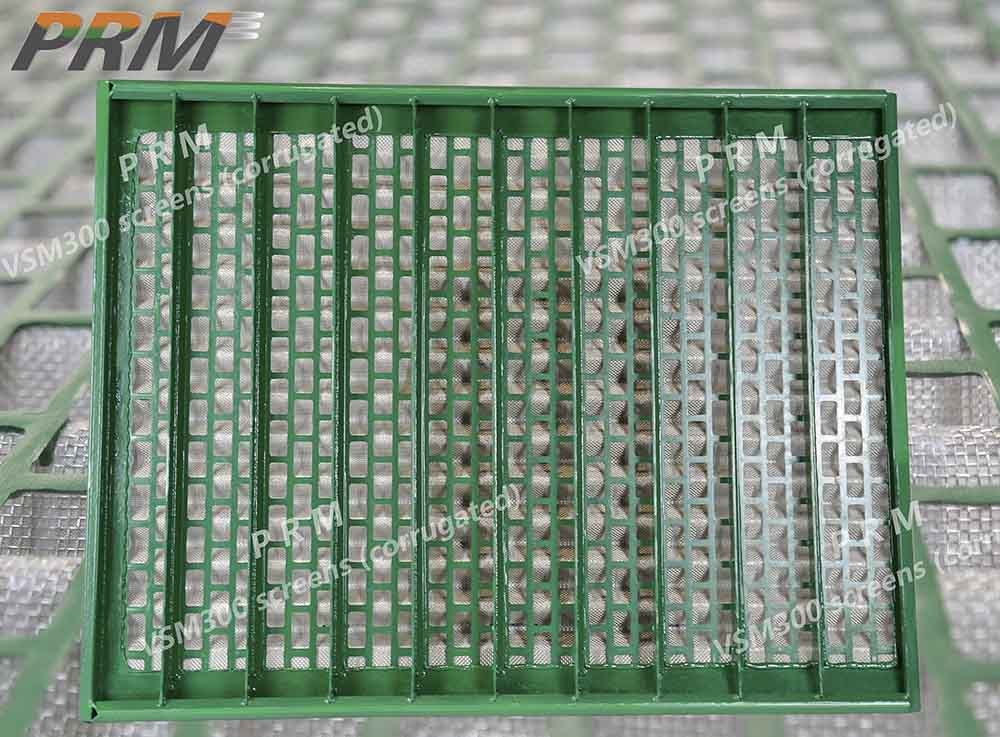
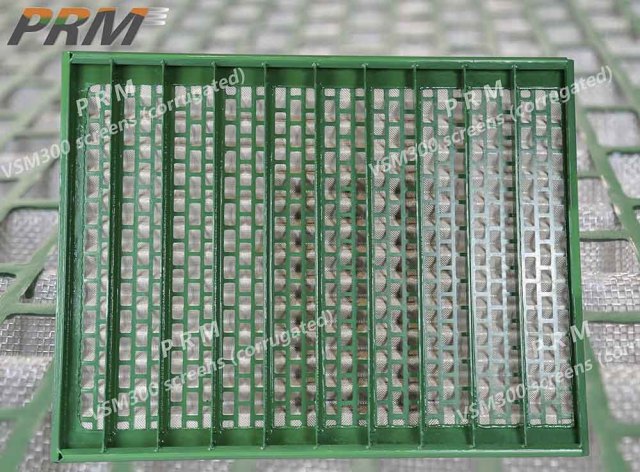
- Perforated plate behind the mesh. A perforated backing plate spreads the load across the whole screening surface, which stops the wire cloth from pumping and sagging in the middle of the panel.
- Epoxy bonding, not fixings. Plate and corrugated panel are bonded with epoxy from a global adhesive brand, giving a continuous join along every ridge instead of a line of mechanical fastenings that can work loose.
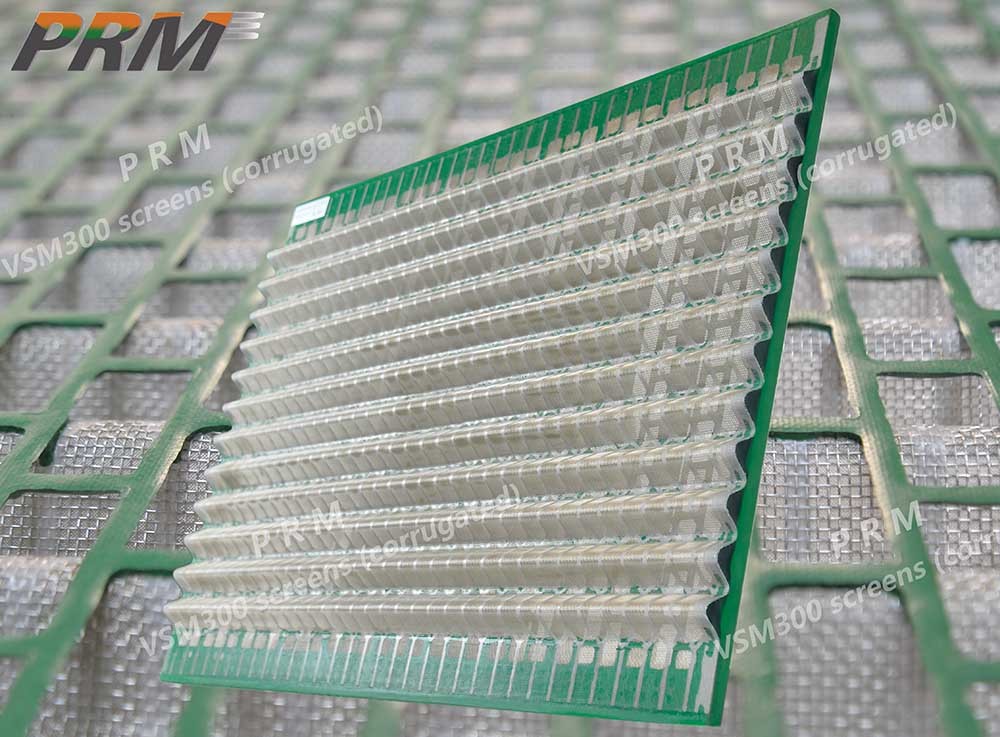
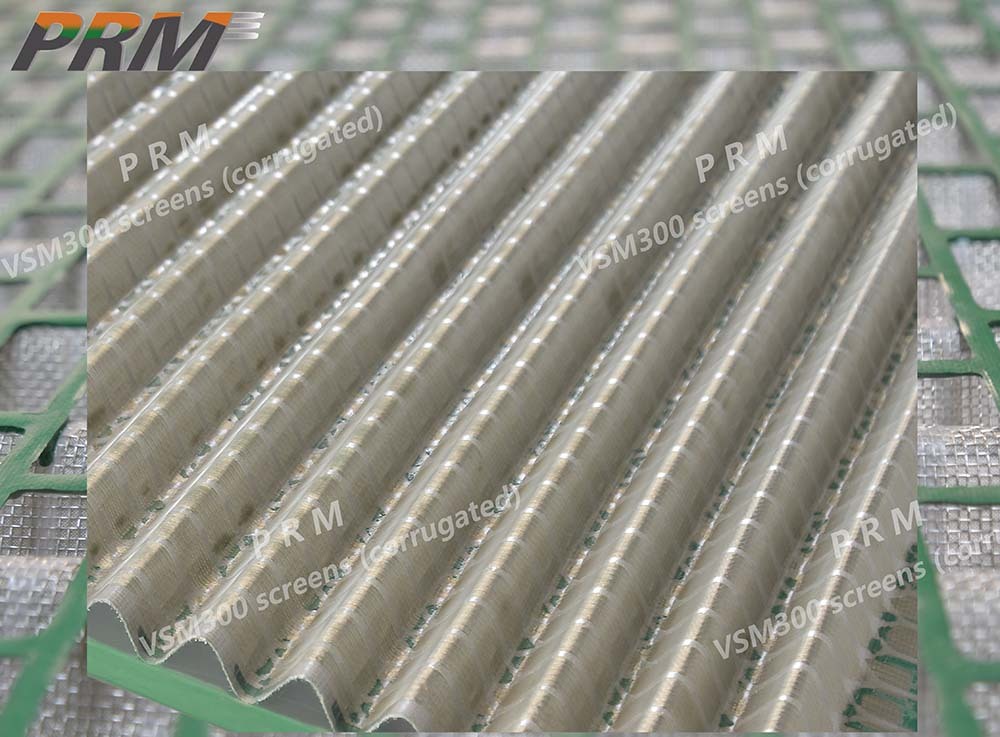
- The corrugation is structural. Each wave acts as a shallow beam and together they give the panel the rigidity that a flat frame only reaches by adding weight.
- Better conductance through the mesh. Fluid runs down the ridge flanks into the troughs and meets the wire over a shorter, straighter path, so the panel keeps passing volume as the solids load builds instead of blinding over.
- Higher fluid handling capacity. Open area and conductance together mean the deck can be fed harder before mud backs up and carries over onto the fine screens.
- Long life by design. The frame is meant to outlast the mesh, and the panel holds its open area for the whole of its working life rather than closing up as it wears — which is what the long runs on these decks come down to.
- Proven in field service. This is a profile whose reputation was built on rigs rather than on a drawing board, and it is the one buyers reorder first when they are stocking wholesale shaker screens for high-flow primary decks.
Panel Fitment & Change-Out
- Confirm the machine and the deck. Read the nameplate and make sure you are replacing the primary-deck panel — the scalper and the fine screens are different parts and do not interchange with it.
- Count what came off the deck. A corrugated primary deck runs 3 panels where the flat primary runs 4. Count the old panels before you order a replacement shaker screen so the deck goes back together in one shift.
- Inspect the tensioning face. This shaker clamps with pneumatic bladders. Look for crushed ridges, a bent edge or a polished band where the bladder seats; a damaged face will not hold a new panel square.
- Seat the panel flat and square. Drop it into the frame with the mesh side facing the flow, and check that it rests on the support ribs along every ridge rather than bridging them.
- Bring the bladders up to pressure and run. A panel on this shaker changes in around three minutes once the crew knows the routine, so the first change of a shift costs little more than the check itself.
- Re-check after the first circulation. Ridges that lift or polish unevenly in the first hours usually mean the panel was not seated; catch it before the wire starts wearing on one edge.
- Log hours by deck. Panel life is the only honest basis for a shaker screens replacement schedule, and a deck-by-deck record turns a rushed order into a planned one.
Deck Duty & Screening Load
A shaker removes solids in stages. The scalper takes the coarse material first; whatever passes it lands on the primary deck, which has to move the bulk of the returning mud without backing up. If the primary deck is under-screened, the fine screens behind it inherit solids they were never meant to carry and the whole train slows down together. That is the condition the corrugated profile is built for. On a large-hole section at high rate of penetration, or through long circulating periods when the same mud keeps coming back loaded, a flat primary panel can become the limit on how hard the shaker is run. A wave-profile panel pushes that limit back, which is why it is the usual choice for the primary deck on high-flow shakers rather than a niche option. The two beds on this shaker are not identical — the top bed runs at 0° and the bottom at 7° — so the panel on each bed sees a different fluid path and a different load. Building around that duty, rather than around a catalogue size, is what a shaker screen manufacturer with practical rig knowledge brings to a primary deck. As a shaker screen parts supplier, this is the deck we hear about first when a train is running badly — which is why the frame, the bond and the mesh on a primary panel have to be right the first time.
Specifications
| Property | Specification |
|---|
| Shaker compatibility | NOV Brandt VSM300 |
| Deck | Primary, corrugated wave profile |
| Panel size | 890 × 686 × 38 mm |
| Weight per panel | 12.2 kg |
| Panels per deck | 3 corrugated (4 for the flat primary panel) |
| Non-blank area | 5.1 ft² |
| Frame | 2 mm bent steel sheet |
| Backing plate | 2 mm perforated cold-rolled steel, epoxy-bonded |
| Wire cloth | 316 stainless steel |
| Screen beds | Dual; top bed 0°, bottom bed 7° |
| Tensioning | Pneumatic bladder compression |
| Mesh designation | API RP13C |
Corrugated vs Flat Panels
- Choose corrugated when throughput is the constraint. If the deck is limiting how hard the shaker can be fed, the wave profile buys flow that a flat panel cannot give at the same footprint.
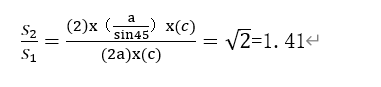
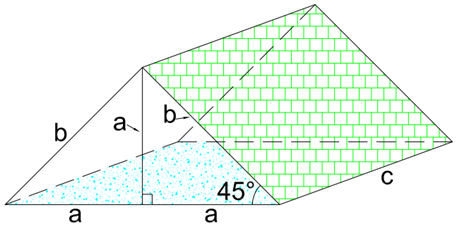
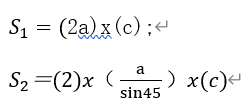
- What non-blank area actually means. It is the share of the panel the fluid can pass through. The corrugated design takes that up to 1.41 times the non-blank area of a flat panel, so more of every barrel reaching the deck is screened instead of riding over the top.
- Rigidity without extra weight. The ridges carry load along the panel, so the frame stays flat under amplitude instead of flexing between supports. A panel that stays flat keeps its mesh tension, and mesh that keeps its tension screens evenly from the first barrel to the last.
- Panel count and handling. Three corrugated panels make the primary deck where the flat panel takes four — fewer pieces to handle, but each one a little heavier to lift at the rig floor.
- When flat still wins. If the shaker already runs comfortably inside its flow window, or you are matching a deck that has always been flat, a straight replacement shaker screen in flat profile does the job without changing the routine.
- Carrying both profiles. Buyers who hold wholesale shaker screens stock for several rigs often keep a set of each and let the hole size and flow rate decide what goes on the deck.
- One standard across both profiles. We bend, bond and mesh both profiles in the same plant, so a shaker screen manufacturer's tolerance does not change just because the panel shape does.
Ordering & Delivery
- Send the shaker details. Nameplate model, which deck the panel is for, and the panel you are taking off — enough for us to match the part before anything is boxed. 2. Order by deck set. Panels are supplied per piece, but plan in sets — 3 for a corrugated primary deck — so the shaker is never left half-changed mid-section. 3. Packing. Each panel ships one to a box, 920 × 700 × 50 mm, 12.8 kg gross. The carton keeps the frame edges protected in transit and stacks reasonably in a rig store. 4. Freight, lead time and payment terms. These are quoted against your destination and order size, so confirm the current terms with your sales contact when you raise the enquiry. 5. Plan the reorder. As a shaker screen supplier we keep your panel, deck and mesh designation on file, so the second order is a repeat rather than a fresh specification. 6. 7. Screens around this deck. As a shaker screen parts supplier we also quote the scalper and fine panels that complete the train, so a full deck set can go on one document.
Technical Support & Model Matching
Technical support comes from the team that builds the screens, not a call centre. With six years in this industry and our own factory, we can look at your machine, its make and model, and the position you need to fill, then confirm the correct match before your order ships. If a part wears early or fits badly, our engineers work through the problem with your crew and provide installation and start-up guidance by document, photo or video.
FAQ
Can I run corrugated panels on one bed and flat panels on the other?
You can, and some rigs do, but match the profile to the bed rather than mixing profiles on a single bed. The two profiles move fluid at different rates, so a corrugated panel on one bed and a flat panel on the other changes how the load divides between them. When you order a replacement shaker screen for a single deck, tell us which bed it is for and we will match the profile and the count. If the whole shaker is being re-screened, staying with one profile across both beds keeps the flow split predictable.
What tells me the panel is worn out?
Wire break along the ridge crests is the usual end point. Before that the crests polish bright, then the mesh slackens at the bond line, then solids start showing up in the fluid leaving the shaker. Fluid backing up on the deck and carryover onto the fine screens are the symptoms a crew notices first. Pull a panel and look along the ridges rather than across the flat, because that is where the wear runs. Keeping hours per deck turns shaker screens replacement into a scheduled job instead of an emergency one.
Is this a genuine NOV Brandt part?
No. This is a replacement panel made by PRM. NOV Brandt is a trademark of National Oilwell Varco and we are not connected with them. We are an independent shaker screen supplier building a panel to the same deck footprint and the same tensioning face, which is what determines whether it seats and screens correctly. If you want to see how the frame and the bond line are made before committing, ask us and we will walk you through the construction. Supplying shaker screen parts supplier programmes to rigs running mixed fleets is most of what we do, and every panel is matched to the machine rather than to a badge.
Will the same panel handle oil-based and water-based mud?
The panel hardware stays the same whichever mud system you run: 2 mm bent steel frame, perforated steel backing plate, epoxy bond and 316 stainless wire cloth. What changes between oil-based and water-based fluids is the mesh designation you fit, because the two systems carry solids differently and the deck has to shed them at a different point. Tell us the mud type and the solids you are dealing with and, as a shaker screen manufacturer, we will confirm the designation before your order goes on the press.
How do I reorder the same mesh if the marking has worn off the old panel?
Start from the deck. Tell us the shaker model, which bed the panel came from and how many panels you run, and we can work back to the designation from there. API RP13C is the labelling convention the industry uses for shaker screen mesh, so it is the reference both sides quote. If one panel in the store still has a readable marking, photograph it and send that instead. Most shaker screens replacement orders are matched this way rather than from a catalogue number.